
SAP Materials Management (MM) stands as the backbone of supply chain operations, ensuring that the right materials are available at the right time and at the right cost. As organizations globally transition to digital ecosystems, SAP MM has evolved from a simple data entry tool into a complex module essential for managing inventory control, vendor management, material planning, goods receipts, and invoice verification within SAP ERP and S/4HANA environments. This is why SAP MM Training has become increasingly important for professionals looking to build expertise in modern supply chain management.
Connect With Us: WhatsApp
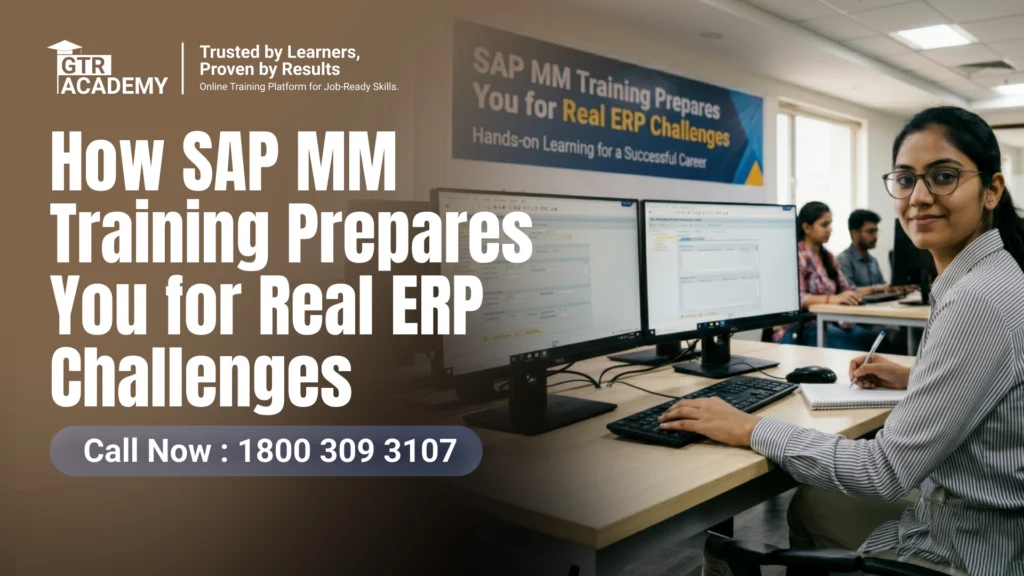
However, many beginners enter the field underestimating the complexity of ERP systems. In the real world, businesses operate in a landscape where inefficiency costs millions. Companies without an efficient SAP MM system frequently struggle with stock shortages, over-stocking, delayed procurement, vendor disputes, and skyrocketing operating expenses. Understanding how to navigate these challenges is what separates a novice from a highly sought-after SAP professional.
Why SAP MM Significance in Today’s Business World
Every company purchases something to function. A manufacturing company buys raw materials; a retail business purchases inventory; a hospital acquires medical equipment; and an IT company procures hardware licenses. Performing these tasks manually is not only inefficient but prone to human error.
SAP MM automates and accelerates these processes. By unifying the vendor repository and automating procurement, businesses can resolve common issues like delayed procurement and inventory shortages. Because of this, SAP MM professionals remain in high demand across virtually all sectors.
The Reality of Real-World ERP Challenges
Most beginners view ERP systems as simple data entry interfaces. The reality is far more complex. Daily, ERP professionals solve critical operational problems that keep businesses running. Common ERP challenges include:
- Inventory Accuracy: If records are incorrect, production halts and customer satisfaction plummets.
- Vendor Management: Organizations often struggle with supplier evaluation and procurement efficiency.
- Procurement Delays: Late material deliveries directly impact production schedules and revenue.
- Cost Controls: Businesses are constantly seeking ways to reduce procurement costs without compromising quality.
- Data Integration: Ensuring information is synchronized seamlessly across departments remains the biggest hurdle in large-scale ERP implementation.
SAP MM addresses these challenges through structured workflows, automation, and real-time data visibility.
How SAP MM Training Prepares You for Real-World ERP Success
Training is not just about memorizing screens; it is about learning the logic behind the software. Quality SAP MM training focuses on five core areas:
1. Understanding the Procurement Cycle
You will learn the entire life cycle: Request for Quotation (RFQ), Purchase Request, Vendor Selection, Purchase Order creation, Goods Receipt, and Invoice Verification. For example, in a manufacturing setting, SAP MM enables teams to compare quotations from various suppliers and track deliveries effectively.
2. Mastering Inventory Management
Poor control leads to stock shortages or increased storage costs. Training provides deep dives into stock valuation, material handling, physical inventory procedures, and integration with warehouses to prevent production downtime.
3. Skills in Vendor Management
Managing 500+ suppliers manually is impossible. SAP MM enables organizations to centrally store vendor data and monitor performance via vendor evaluation tools. This is a critical skill for maintaining supply chain health.
4. MRP (Material Requirements Planning) Learning
Material shortages stop production. SAP MM Training educates learners on MRP concepts to forecast demand, schedule purchases, and maintain optimal stock levels so a company never runs out of necessary supplies.
5. SAP Integration
The biggest challenge of ERP is integrating multi-business functions. You will learn how SAP MM interacts closely with SAP SD (Sales and Distribution), SAP FICO (Finance), SAP ABAP, and Production Planning (PP). Knowing these integrations is essential for working in cross-functional environments.
Career Outlook and Opportunities
The demand for SAP professionals continues to grow globally. Once you have a foundation in SAP MM, you can transition into roles such as Procurement Analyst, Inventory Manager, Supply Chain Analyst, or SAP Functional Consultant. With experience, many professionals move into project management and leadership roles.
Salary Insights in India (2026 Projections):
- Fresher: ₹4 – 7 LPA
- 2–5 Years: ₹8 – 15 LPA
- 5–10 Years: ₹15 – 25 LPA
- Senior Consultant: 25 LPA+
Future Trends of SAP MM
The SAP ecosystem is evolving rapidly. Professionals who keep up with these trends will remain competitive:
- SAP S/4HANA Migration: Global companies are transitioning, creating massive demand for consultants.
- Procurement Powered by AI: Artificial Intelligence is transforming supplier selection and procurement planning.
- Cloud-based ERP: The adoption of cloud platforms is accelerating, changing deployment strategies.
- Intelligent Supply Chains: Procurement operations are increasingly utilizing machine learning to predict inventory needs.
Why Select GTR Academy for SAP MM Training?
Choosing the right institute is vital. GTR Academy emphasizes “learning by doing” rather than just theory. Our curriculum is designed according to current market needs and S/4HANA standards, taught by instructors with real-world implementation experience. By working on actual business cases and live projects, students gain the confidence to be productive from day one. Furthermore, our dedicated interview preparation and placement assistance help bridge the gap between training and a professional career.
Frequently Asked Questions (FAQ)
1. What is SAP MM and why is it important?
SAP MM (Materials Management) manages procurement, inventory, and vendor relationships. It is vital because it optimizes supply chains and reduces operational costs.
2. Who can learn SAP MM?
It is ideal for students, graduates, supply chain professionals, and career changers from both technical and non-technical backgrounds.
3. Is SAP MM difficult for beginners?
No. With proper guidance and hands-on practice, beginners can master procurement and inventory concepts effectively.
4. What are the prerequisites for SAP MM training?
There are no strict prerequisites. A basic understanding of business operations or supply chain concepts is helpful but not mandatory.
5. What is the scope of SAP MM in 2026?
The scope is excellent, driven by continuous S/4HANA migrations and digital transformation initiatives globally.
6. Is coding knowledge necessary?
SAP MM is a functional module, so deep coding skills are not required, though understanding how pieces fit together via ABAP is a bonus.
7. How long does it take to learn SAP MM?
Most learners master the basics in 2–4 months, depending on the training format and pace of practice.
8. Is SAP MM certification useful?
Yes, it validates your knowledge, significantly improving your credibility and earning potential in the ERP industry.
9. What jobs can I get after training?
Popular roles include SAP MM Consultant, Procurement Analyst, Inventory Manager, and Supply Chain Analyst.
10. Can I learn SAP MM online?
Yes, structured online courses with hands-on assignments and live projects allow you to gain job-ready skills from anywhere.
Connect With Us: WhatsApp
Recommended Blogs:
Best SAP SuccessFactors Training with Placement Support: Is It Worth It 2026
SAP PP Certification Benefits for Freshers and Working Professionals 2026
How to Start a Career in Data Science Without Prior Experience 2026
Why SAP MM Is the Perfect SAP Module for Beginners 2026
Conclusion
SAP MM is one of the most demanded skills in the ERP market today. Whether you are a student, a fresher, or a career changer, quality training provides the practical knowledge, business process understanding, and hands-on experience necessary to solve real-world ERP problems. By mastering these skills and staying updated on digital transformation and S/4HANA, you position yourself for a bright, high-growth career.