


Understanding SAP Modules
A Comprehensive Guide
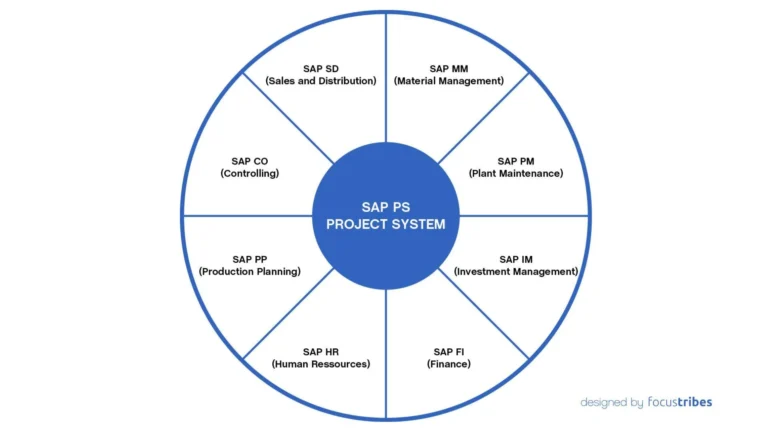
Image: An illustration of SAP modules integrating various business functions.
Introduction to SAP and Its Significance
SAP (Systems, Applications, and Products in Data Processing) is a global leader in enterprise resource planning (ERP) software, helping businesses streamline operations, enhance efficiency, and make data-driven decisions. Since its founding in 1972, SAP has grown into a powerhouse, serving organizations across industries with integrated, modular solutions that adapt to diverse business needs.
What Are SAP Modules?
SAP modules are specialized software components designed to manage specific business functions. They allow companies to:
-
Customize their ERP system by selecting only the necessary modules.
-
Scale efficiently by adding new modules as business needs evolve.
-
Integrate processes across departments for seamless operations.
This modular approach makes SAP highly flexible, catering to industries like manufacturing, retail, healthcare, and finance.
Core Functional SAP Modules
1. Finance (FI) & Controlling (CO)
-
FI manages financial transactions, accounting, and reporting.
-
CO handles cost analysis, budgeting, and profitability tracking.
2. Sales and Distribution (SD)
-
Streamlines order-to-cash processes, including quotations, sales orders, and invoicing.
3. Material Management (MM)
-
Oversees procurement, inventory, and vendor management.
4. Production Planning (PP)
-
Manages manufacturing processes, capacity planning, and shop-floor operations.

Image: Key SAP modules in finance, sales, and operations.
Logistics & Supply Chain Modules
1. Supply Chain Management (SCM)
-
Optimizes procurement, production, and distribution networks.
2. Warehouse Management (WM)
-
Enhances inventory tracking, storage, and logistics efficiency.
3. Quality Management (QM)
-
Ensures product quality compliance through inspections and audits.
These modules help businesses reduce costs, improve delivery times, and enhance supply chain visibility.
Human Capital Management (HCM) Modules
1. Human Resources (HR)
-
Manages recruitment, payroll, and employee records.
2. Talent Management
-
Supports performance reviews, learning & development, and succession planning.
3. Time & Attendance Management
-
Tracks work hours, leaves, and workforce productivity.
With SAP HCM, companies can attract, retain, and develop top talent efficiently.
Customer & Supplier Relationship Modules
1. Customer Relationship Management (CRM)
-
Enhances customer interactions, sales, and service management.
2. Supplier Relationship Management (SRM)
-
Improves vendor collaboration, contract management, and procurement efficiency.
These modules help businesses strengthen relationships with customers and suppliers.
Analytics & Business Intelligence (BI) Modules
1. SAP Business Warehouse (BW)
-
Consolidates data from multiple sources for reporting and analysis.
2. SAP Business Intelligence (BI)
-
Provides real-time dashboards, predictive analytics, and performance insights.
With these tools, companies can make faster, smarter business decisions.
Cloud & Mobility Solutions
1. SAP S/4HANA Cloud
-
A cloud-based ERP offering real-time analytics and AI-driven insights.
2. SAP Fiori & Mobile Apps
-
Enables remote access to SAP functions via smartphones and tablets.
These solutions reduce IT costs, improve accessibility, and enhance agility.
Implementation & Customization of SAP Modules
Successful SAP implementation requires:
✅ Process Assessment – Aligning SAP with business workflows.
✅ Module Selection – Choosing the right modules for specific needs.
✅ Customization – Adapting SAP to unique business rules.
Many companies partner with SAP consultants to ensure smooth deployment.
Conclusion: Why SAP Modules Matter
SAP’s modular ERP system provides:
✔ Flexibility – Choose only the needed modules.
✔ Integration – Seamless data flow across departments.
✔ Scalability – Expand as business grows.
✔ Innovation – AI, cloud, and mobile-ready solutions.
By leveraging SAP modules, businesses can optimize operations, improve decision-making, and stay competitive.