
Master of Computer Science
Advance your career to the highest level of business leadership. Transform your expertise into strategic impact with our globally recognized program.
Duration: 2 Year
Format: Online
Accredited Program

Apply Now
Start DBA Today
Get Advice
Free Consultation
Download Brochure
Get Course Details
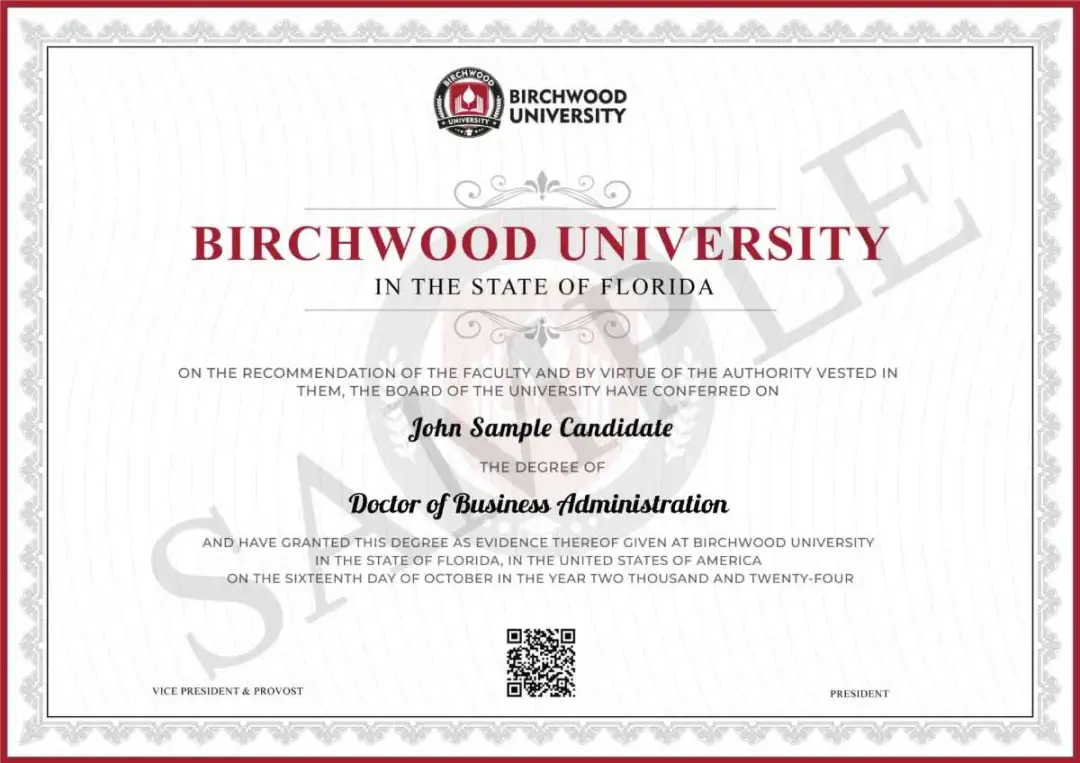

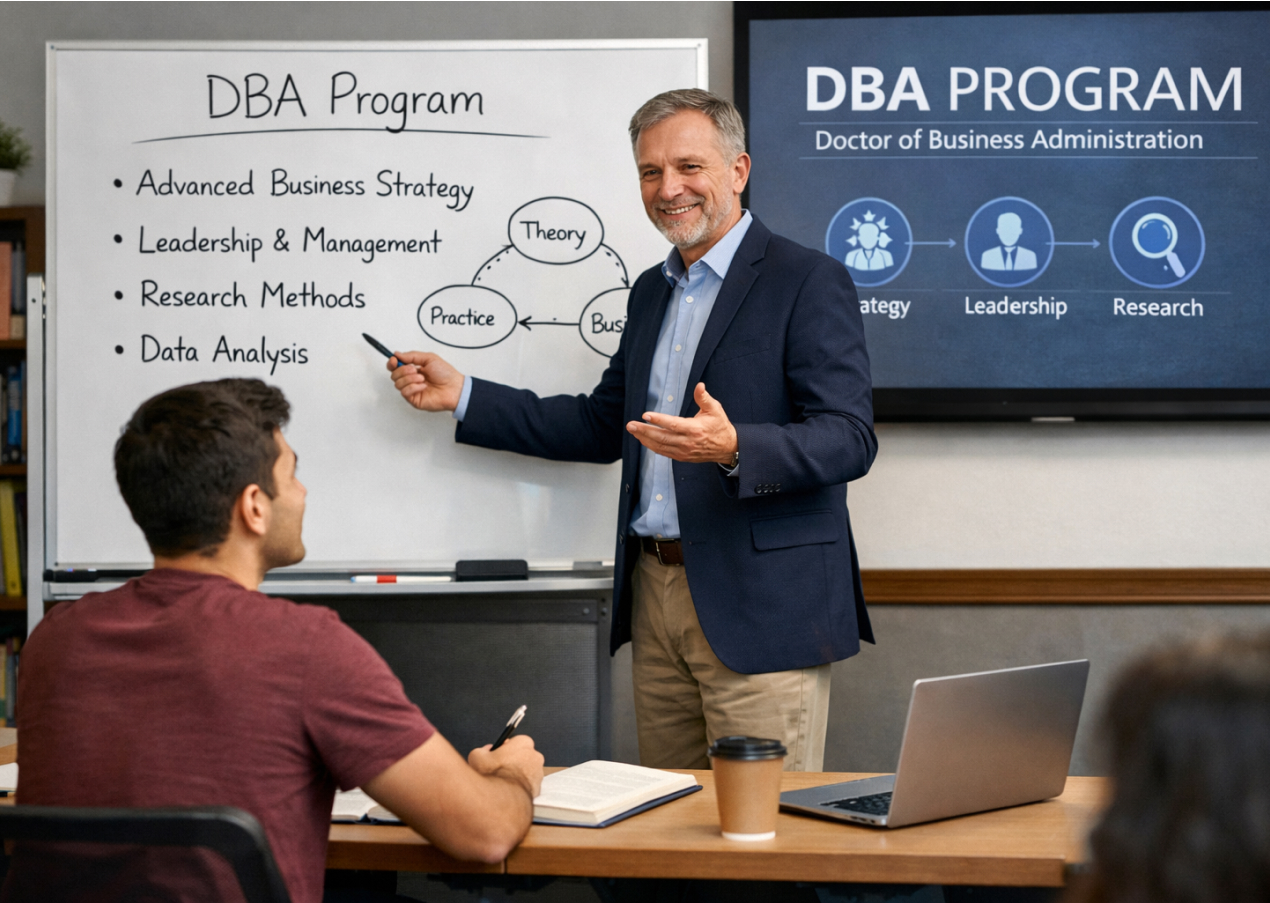

Doctor of Business Administration (DBA)
Advanced Your Career to the Highest Level of Business Leadership.
Duration: 2 Year
Format: Online
Accredited Program
Apply Now
Start DBA Today
Get Advice
Free Consultation
Download Brochure
Get Course Details
Course Overview
Master of Computer Science
The Master of Computer Science at Birchwood University is an expertly crafted 18-month graduate programme tailored for professionals with a foundational understanding of technology or computing. Designed to support career transitions, advancement in current roles, or deeper expertise in computer science, this programme equips you with advanced skills and knowledge to thrive in today’s dynamic tech industry.
PROGRAMME SPECIFICS
Title Of The Qualification/Award: Master of Computer Science (MCS)
Modules: 11
ECTS: 90
Programme Duration: 2 Year
Total Learning Hours: 2250 Hours
The curriculum spans critical computer science disciplines. You will explore software engineering, mastering the creation of reliable and efficient software applications. Database systems will teach you to effectively manage and organise large datasets. The programme also delves into artificial intelligence and machine learning, enabling you to build intelligent systems capable of learning and decision-making based on data. Additionally, you will gain expertise in cloud computing and distributed systems, essential for modern applications operating across multiple servers or over the internet. A strong foundation in data structures and algorithms will empower you to solve complex computational problems with speed and efficiency. Furthermore, human-computer interaction will equip you to design user-friendly software that meets real-world user needs.
After finishing this programme, you will be able to:
- Demonstrate advanced understanding of AI and Data Science by applying concepts to complex, real-world challenges.
- Combine theoretical and practical knowledge to create intelligent, data-driven technological solutions.
- Apply machine learning and analytics tools to develop and manage next-generation digital systems.
- Optimise AI models and data frameworks through critical thinking and innovation.
- Utilise automation, cloud computing, and ethical AI to design scalable, future-ready solutions.
- Apply cybersecurity tools and protocols to ensure robust system security and data protection.
The Changing Business Landscape
The Changing Business Landscape
The pace of change we are witnessing today is unlike anything we have seen in recent history.
75%
CEOs believe identifying the next generation of leaders is the top challenge.
$18.59B
Global business education market growth driven by advanced qualifications.
69%
Demand for Master of Computer Science professionals expected to grow steadily till 2033.
$101,000
Median salary highlights strong leadership and earning potential.
Admission
Admission Requirements
General Admission Requirements
- A copy of a valid government-issued photo identity card.
- A copy of an updated resume.
- Any document if not in English must be accompanied by a certified translated copy.
Additional Admission Requirements For Master of Computer Science
Academic Requirements:
Applicants must hold a recognised bachelor’s degree in computer science, information technology, or an equivalent EQF Level 6 qualification in management, business, or any relevant area with a minimum score of 55% (GPA 2.0 on a 4.0 scale) or higher.
English Language Proficiency:
Applicants must demonstrate English language proficiency by providing one of the following minimum test scores. IELTS with an overall score of 6.5 or higher. TOEFL with a minimum score of iBT 58+, PBT 490+, or CBT 167+. TOEIC with an overall score of 555 or higher. PTE with an overall score of 50 or higher. Duolingo English Test with an overall score of 90 or higher. English proficiency may also be demonstrated through an academic degree that was taught and assessed entirely in English, or by providing other substantial evidence of proficiency.
English Proficiency Waivers:
The English test requirement is waived for candidates who are native English speakers, have completed schooling (High School Diploma) or higher education in English, or possess a minimum of two years of professional experience in an organisation where English is the primary language of communication.
Fundamental Digital Competency:
Applicants should possess basic digital literacy, including familiarity with computers, the internet, and standard software applications.
Why Choose Us
Why choose Master of Computer Science
The programme builds a strong foundation in core computer science principles while developing hands-on expertise in artificial intelligence, data science, cybersecurity, software engineering, and related advanced technologies. It integrates research-driven learning with industry-aligned practices, enabling learners to translate academic theory into practical, real-world projects while strengthening critical and analytical thinking skills. Through a cross-disciplinary approach, students gain proficiency across diverse domains such as machine learning, system architecture, cybersecurity, human–computer interaction, and advanced algorithm development. Emphasising future-ready innovation, the programme empowers learners to design scalable, ethical, and intelligent technological solutions using cutting-edge tools including AI, data analytics, cloud computing, cybersecurity frameworks, and intelligent automation.
Objectives
Program Objectives
The Master of Computer Science programme aims to develop advanced knowledge and professional competence in core and emerging areas of computer science, including artificial intelligence, data science, cybersecurity, software engineering, and advanced computing systems. The programme is designed to strengthen analytical, research, and problem-solving skills while integrating theoretical foundations with practical, industry-relevant applications. It prepares graduates to design, develop, and secure intelligent, scalable, and ethical digital solutions, fostering innovation, technical leadership, and cross-disciplinary expertise required to succeed in advanced computing roles and research-oriented environments.
To develop advanced theoretical and practical expertise in core computer science domains, including artificial intelligence, data science, cybersecurity, and software engineering.
To equip learners with strong analytical, research, and problem-solving skills required to address complex computational and real-world technological challenges.
To foster the ability to design, implement, and optimise secure, scalable, and ethical digital systems using modern computing frameworks and tools.
To promote cross-disciplinary technical proficiency and innovation, enabling graduates to adapt to emerging technologies and evolving industry demands.
To cultivate professional leadership, collaboration, and communication skills essential for success in advanced technical, managerial, and research-driven roles.
Licensure & Associations




Course Structure
Program Curriculum
Modules Covered
- Module 1: Software programming principles and practices in Java (ECTS 6)
- Module 2: Database & SQL Programming (ECTS 6)
- Module 3: Computer Architecture (ECTS 6)
- Module 4: Computer Networks (ECTS 6)
- Module 5: Security Engineering (ECTS 6)
- Module 6: Elective 1 (ECTS 6)
- Module 7: Elective 2 (ECTS 6)
- Module 8: Elective 3 (ECTS 6)
- Module 9: Elective 4 (ECTS 6)
- Module 10: Elective 5 (ECTS 6)
- Module 11: Capstone Project (ECTS 30)
Elective (Specialisation: AI and Data Science)
- Module 6: Data Science Foundations (ECTS 6)
- Module 7: Data Mining, Machine Learning and Artificial Intelligence (ECTS 6)
Module 8: Data Analysis and Visualisation (ECTS 6) - Module 9: Probability and Statistics for Data Analysis (ECTS 6)
- Module 10: Advanced Computing Research Methods (ECTS 6)
Elective (Specialisation: Cybersecurity)
- Module 6: Internet of things and Cryptography (ECTS 6)
- Module 7: Networking and Kali Linux (ECTS 6)
- Module 8: Engineering of Hacking (ECTS 6)
- Module 9: Forensic Computing (ECTS 6)
- Module 10: Application and Device Audit (ECTS 6)
More Information
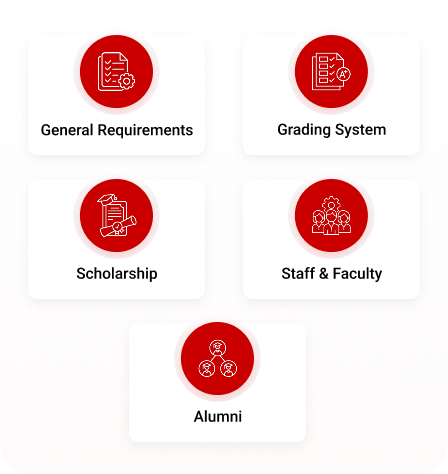
Additional Information for Master of Computer Science

FAQs
Frequently Asked Questions
What is the duration of the Master of Computer Science programme at Birchwood University?
What topics are covered in the curriculum?
Are there any prerequisites for admission?
Can I work full-time while enrolled in this programme?
Will I learn to code in this programme?
How is the programme structured?
Are there networking opportunities with peers or industry professionals?
Begin Your Career Journey Today!
Your Career Starts Here, Take the first step
Apply now to take the first step in starting your career