

Fellowship In Dermatology
Advance your skills and expertise in your field with our recognized 12-month fellowship.
Duration : 1 Year
Format: Online
Medical Prog.
Overview Dermatology
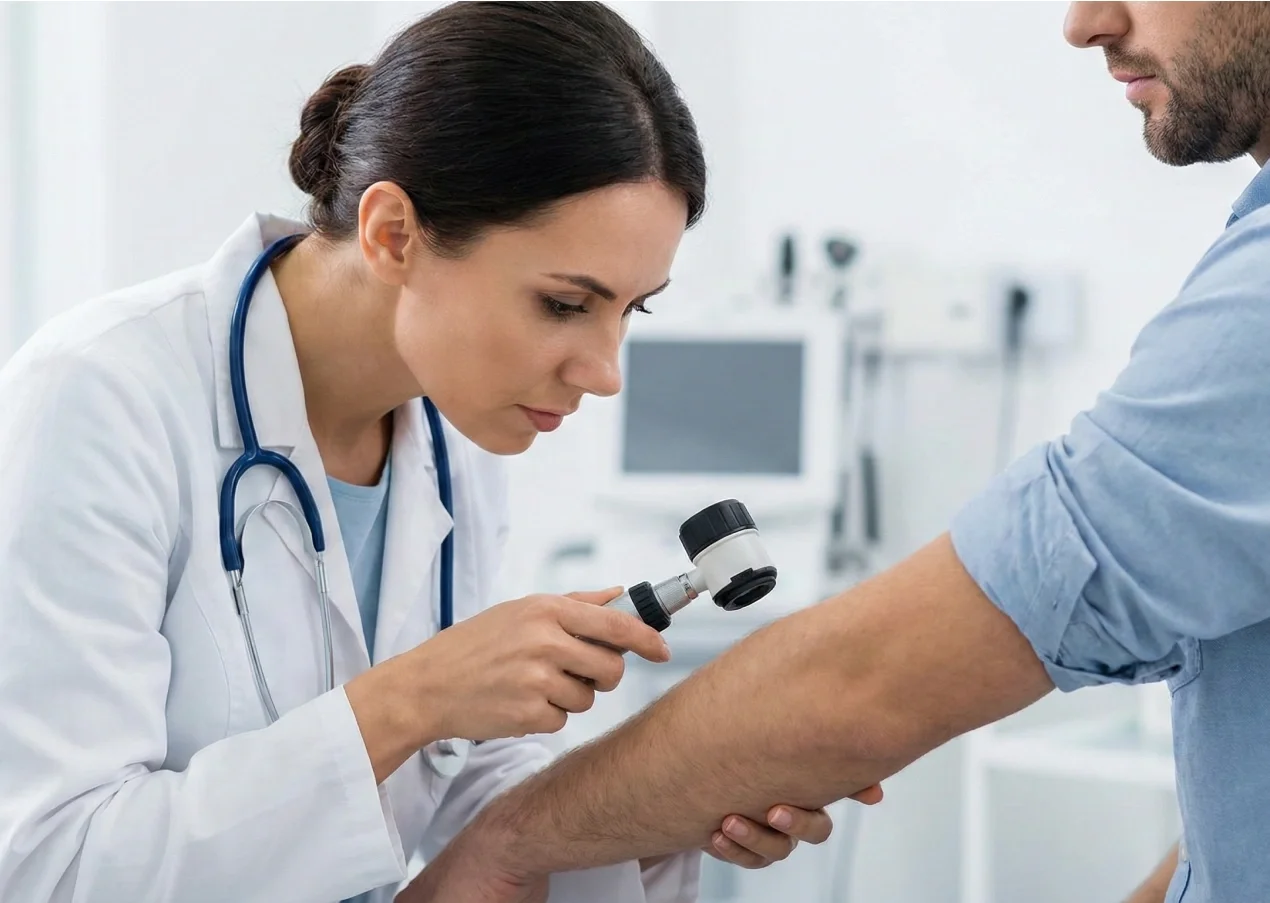
Dermatology is a specialized branch of medicine dedicated to diagnosing and managing disorders of the skin, hair, and nails. As the body’s largest organ, the skin not only protects against infections and environmental damage but also plays a vital role in an individual’s confidence and overall well-being.
An Online Fellowship in Dermatology provides physicians with comprehensive training to effectively manage a wide spectrum of dermatological conditions, supporting both the physical and emotional health of patients. It also strengthens their ability to identify early cutaneous signs of systemic illnesses, enabling prompt intervention and improved long-term outcomes.
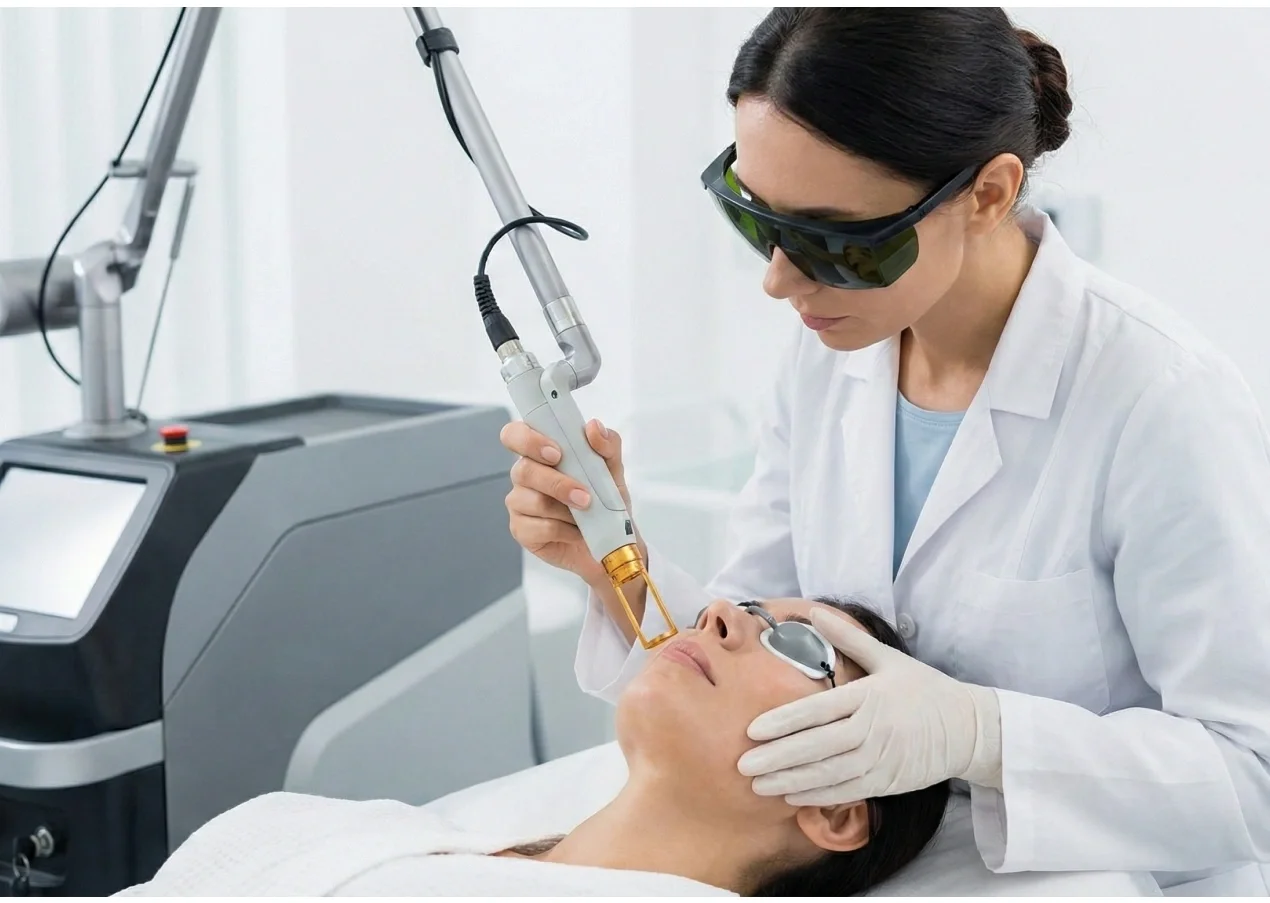
A Fellowship in Dermatology after MBBS allows medical graduates to refine advanced clinical competencies, gain in-depth knowledge of dermatological disorders, and establish a rewarding career in a rapidly evolving specialty that integrates medical, surgical, and aesthetic practices.
Why GTR Academy?
The Fellowship in Dermatology offered by GTR Academy is structured to help healthcare professionals develop advanced expertise in diagnosing and treating conditions affecting the skin, hair, and nails. The program curriculum encompasses a broad spectrum of disorders, including atopic dermatitis, alopecia areata, psoriasis, vitiligo, acne, and various forms of skin cancer.
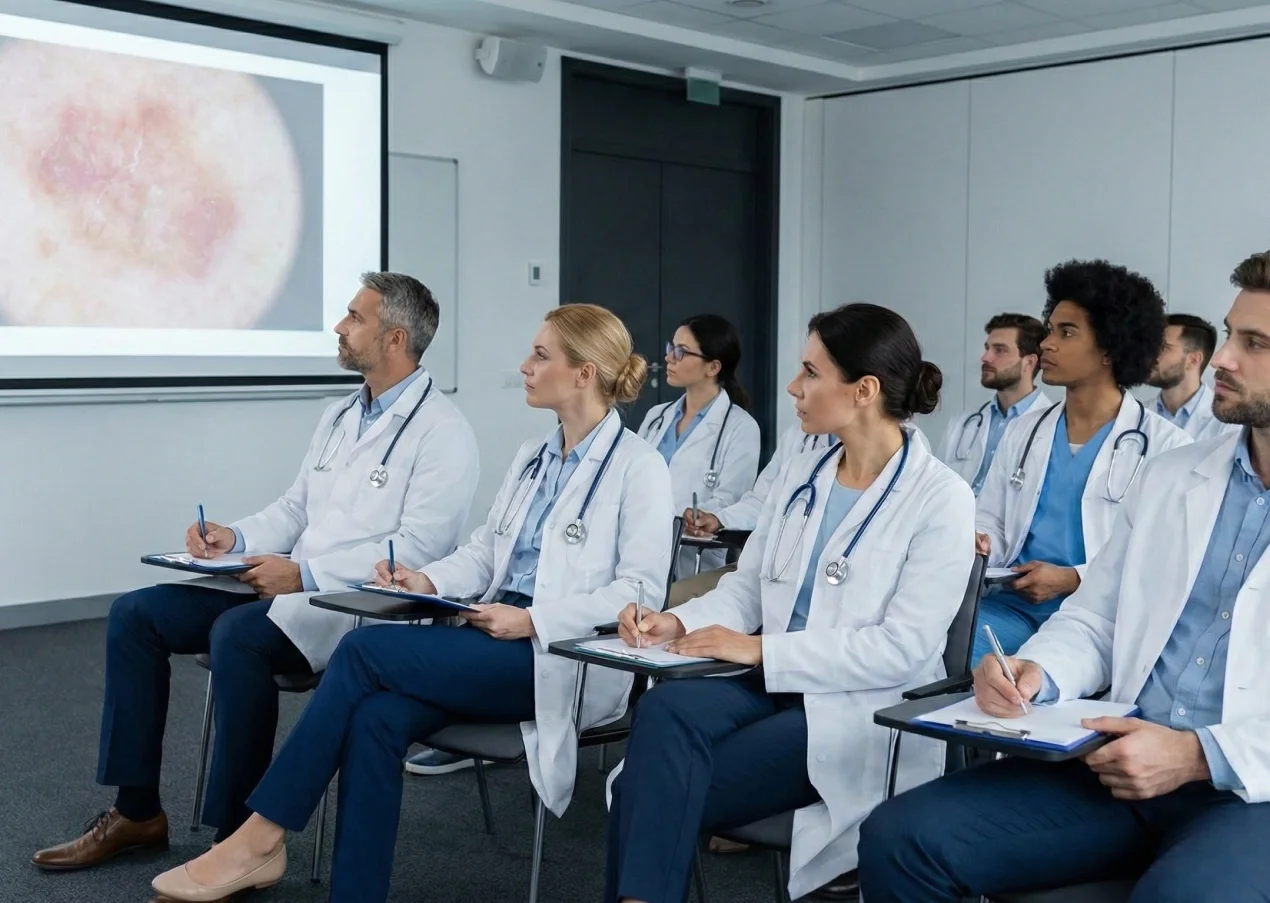
This Fellowship in Dermatology in India also trains participants to recognize early dermatological manifestations of systemic diseases, facilitating timely diagnosis and better patient care. Alongside comprehensive theoretical instruction, the program includes clinical training to enhance real-world diagnostic accuracy and therapeutic skills.
Outcomes After One Year of Fellowship
Upon successful completion of the program, participants will be able to:
- Analyze and interpret histopathological findings and effectively correlate them with clinical presentations, particularly in dermatopathology-focused cases.
- Provide holistic, patient-centered care tailored to diverse population groups.
- Integrate advanced technologies and innovative treatment modalities into practice while staying updated with emerging trends in dermatology.
- Engage in academic and research activities, including conducting studies, publishing in peer-reviewed journals, and presenting at professional conferences, thereby contributing to the advancement of dermatological science.
Our Training Partner



Key Features

First-Hand Clinical Training
Gain practical exposure in real-world clinical settings through hands-on training at multi-specialty hospitals, enabling direct involvement in frontline patient care.

Hybrid Learning Model
Flexible learning schedules designed for working professionals, with expert-curated resources that comprehensively cover essential clinical knowledge.

Global Recognition
Accredited by organizations such as eIntegrity, CPD, NHS, and more, ensuring international acceptance and credibility.

Expert Medical Faculty
Learn from experienced and accomplished Family Medicine clinicians through interactive and case-based sessions.
Step into the world of high-paying Medical careers!
Program Curriculum
Module 1 : Introduction of Dermatology
- Encryption
- Dermoscopy
- Regional Variations of Psoriasis
- Management of Widespread Psoriasis with Conventional Systemic Agents
- Biological Drugs in Psoriasis
- Exacerbating Factors in Atopic Eczema
- Emollient Therapy in AD
- Topical Steroids and Calcineurin Inhibitors
- Treatment of Vitiligo
- Leg Ulcers
- Adult lymphoedema
Module 2 : Inflammatory Dermatoses
- Skin rash
- Seborrhoeic Dermatitis
- Venous Eczema
- Discoid Eczema
- Pompholyx
- Asteatotic Eczema
- Nodular Prurigo
- Lichen Simplex
- Lichen Planus
- Annular Erythemas
- Erythroderma
- Pregnancy Dermatoses
Module 3 : Dermatopathology
- Histopathology and Laboratory Processes
- Taking the Right Biopsy
- Histopathology Techniques
- Disorders of Collagen and Elastic Tissue
- Granulomatous Inflammation
- Lichenoid and Interface Dermatoses
- Cutaneous Deposits
- Adnexal Sebaceous Lesions
- Malignant Sweat Glands
Module 4: Paediatric Dermatology
- Neonatal Rashes
- Congenital Melanocytic Naevi
- Capillary Malformation
- Infantile Haemangioma (Strawberry Mark)
- Venous Malformations and Their Management in Children
- Childhood Lymphatic Disorders
- Infantile Seborrhoeic Dermatitis
- Eczema Herpeticum
- Phytodermatitis
- Viral Exanthemas
- Viral Exanthemas and Kawasaki Disease
- Staphylococcal Scalded Skin Syndrome (SSSS)
- Head Lice
- Infantile Psoriasis
- Facial Lumps and Bumps: Pilomatrixoma
- A Cutaneous Lump in a Child
Module 5: Dermatological surgery
- Local Anaesthesia
- Suturing Skills
- Cautery and Electrosurgery
Module 6: Systemic diseases
- Systemic Lupus Erythematosus
- Antiphospholipid Syndrome
- CREST
- Morphoea
- Skin Manifestations of Rheumatoid Disease
- Perniosis
- Cutaneous Vasculitis I: Small Vessel Vasculitides
- Cutaneous Vasculitis II: Small and Medium Vessel Vasculitides and Obstructive Vasculopathy
Module 7: Bullous disorders
- Pemphigus
- Linear IgA Bullous Dermatosis
- Bullous Pemphigoid
Module 8: Hair and nail disorders
- Diffuse Hair Loss
- Localised Alopecia
- Nail Disorders
- Scarring Hair Loss
Module 9 : Sebaceous and Sweat Gland Disorders
- Axillary Hyperhidrosis
- Acne
- Rosacea and Perioral Dermatitis
Module : 10 Cutaneous allergy
- Patch testing technique and interpretation
- A beautician with facial dermatitis
- Dermatitis in a leg ulcer patient
- Occupational dermatitis
- Baseline patch test series
- Plant dermatitis
Module 11: Genetics
- Glossary of Genetic Terms
- Relevant Epidermal Structures
- Using Genetic Family Histories in Dermatological Practice
- The Genetic Ichthyoses
- Diffuse Keratoderma
- The Moving Rash
- Scanty Hair
- Blistering on the Hands and Feet
- A Child with Photosensitivity and Blistering
Module 12: Photodermatology
- Sunlight and Human Exposure
- Vitamin D in Health and Disease
- The Minimal Erythema Dose and its Uses
- Phototesting Using the Irradiation Monochromator
- A Florid Rash During Phototherapy
- Not All that Itches is Eczema
- Scarring Eruption
- Sunburn – Or Is It?
- Porphyria
- Photosensitivity in Childhood
Module 13: Genito-urinary Medicine
- Sexual History
- Diagnosing Gonorrhoea
- Gonorrhoea: Natural History and Management
- Disseminated Gonorrhoea
- Chlamydia Trachomatis: Natural History and Management
Module 14: Genital Disorders
- Male Genital Examination
- Candida and Yeast Infections
- History and Examination – Female
- Lichen Planus – Female
- Lichen Sclerosus – Female
- Genital Lumps
- Cervical Intra-epithelial Neoplasia (CIN)
- Vulval Intraepithelial Neoplasia (VIN), Penile Intraepithelial Neoplasia (PeIN) and Vagina Intraepithelial Neoplasia (VAIN)
- HIV Related Malignancy
- Other Infectious Conditions Affecting The Male Genitalia
- Other Infectious Conditions Affecting The Female Genitalia
- Bullous Disorders of the Genitalia
- Non-infective Genital Ulceration
- Genital Oedema
- Localised Vulval Pain
- Vaginal Discharge
- Trichomonas Vaginalis
- Bacterial Vaginosis
- Recurrent Bacterial Vaginosis
- Infective Causes of Balanitis
- Infective Causes of Vulvitis
- Genital Herpes
- Initial and Recurrent HSV
- Herpes infections in HIV
- Anogential Warts
- LGV, Chancroid and Donovanosis
- Scabies and Pediculosis Pubis
Module 15: Skin infections
- Staphylococcal Related Skin Disorders
- Leprosy
- Lyme Disease
- Subcutaneous Mycoses and Other Mycoses
- Infectious Blisters
- Cutaneous Leishmaniasis
- Dermatological Presentations of COVID-19
Module 16: Skin Cancer
- Diffuse Pigmented Naevi
- Actinic Keratosis and Bowen’s Disease
- Cysts
- Clinical Variants of Melanoma
- Management of Melanoma
- Basal Cell Carcinoma
- Squamous Cell Carcinoma
- Paget’s Disease of the Nipple and Extra-mammary Paget’s Disease
- Angiosarcoma
- Cutaneous T-cell lymphoma and B cell lymphoma
Module 17: Psychodermatology
- Dermatitis Artefacta
- Delusions of Parasitosis
- Introduction to Psychosocial Management in Dermatology
- Psychosocial Assessment in Dermatology Practice
- Psychological Interventions for Dermatology Patients
Module 18: Topical Therapy
- Topical Corticosteroids and Appropriate Use in Dermatology
- Vitamin D Analogues
- Topical Antifungal Agents
- Cytotoxics and Imiquimod
Course Eligibilty
- MBBS Graduates.
- MBBS Final Years Student
- Applicants who are in their final year can also apply.
- MD/DNB/FNB & residents working in healthcare.
- Ayush ( BAMS / BHMS / BYNS /BUMS )
Hear from our Alumini
Explore firsthand accounts of student experiences. Hear their stories, triumphs,
and insights that make our community exceptional. Real voices, real impact.
This fellowship helped me upgrade my clinical skills in diabetes management. The mentor explained insulin therapy, case handling, and treatment protocols in a very practical way. I now feel confident managing diabetic patients in my clinic.

Frequently Asked Questions
1. What is a Fellowship in Dermatology?
A Fellowship in Dermatology is a specialized postgraduate training program designed to provide in-depth knowledge and practical skills in diagnosing and managing disorders related to the skin, hair, and nails.
2. Who is eligible for a Fellowship in Dermatology?
Typically, medical graduates who have completed MBBS (or an equivalent medical degree) are eligible. Some programs may also accept general practitioners or physicians seeking to expand their expertise in dermatological care.
3. What is the duration of the Fellowship in Dermatology?
Most fellowship programs are one year in duration, though the length may vary depending on the institution and mode of study (online, hybrid, or in-person).
4. What topics are covered in the curriculum?
The curriculum usually includes:
- Common skin disorders such as acne, psoriasis, vitiligo, and dermatitis
- Hair and nail disorders
- Skin infections
- Dermatological manifestations of systemic diseases
- Basic dermatologic procedures
- Dermatopathology fundamentals
- Introduction to aesthetic dermatology
5. Is clinical training included in the program?
Yes, most reputable fellowship programs include clinical exposure or case-based training to help participants develop practical diagnostic and therapeutic skills.
6. Can I pursue this fellowship online?
Yes, many institutions offer online or hybrid Fellowship in Dermatology programs, allowing working professionals to balance clinical practice with advanced learning.
7. What are the career opportunities after completing the fellowship?
After completion, physicians can:
- Enhance their dermatology practice
- Work in dermatology clinics or hospitals
- Offer aesthetic dermatology services (as per regulatory guidelines)
- Participate in research and academic activities
8. Does this fellowship help in identifying systemic diseases?
Yes. Dermatology training improves the ability to recognize early skin manifestations of systemic conditions such as autoimmune diseases, metabolic disorders, and infections, enabling timely referral and management.
9. Is this fellowship equivalent to an MD or DNB in Dermatology?
No. A Fellowship in Dermatology is an advanced training program but does not replace an MD or DNB degree. It enhances clinical skills and knowledge for general practitioners and physicians.
10. What skills will I gain after completing the fellowship?
Participants typically gain:
- Advanced diagnostic skills
- Better understanding of dermatopathology
- Improved patient counseling abilities
- Knowledge of modern therapeutic modalities
- Enhanced confidence in managing dermatological cases
11. Are fertility and gynecologic oncology included in the curriculum?
Yes, the fellowship includes training in fertility management and gynecologic oncology as part of comprehensive women’s healthcare.
12. Why is this fellowship important for medical professionals in India?
With increasing maternal health challenges and reproductive health needs, this fellowship equips doctors with advanced skills to improve maternal and gynecological care in India.
13. How can I apply for the Fellowship in Obstetrics and Gynaecology?
You can apply online through the official website or contact the admissions team for assistance with the application process.