


Fellowship In Emergency Medicine
Advance your skills and expertise in your field with our recognized 12-month fellowship.
Duration : 1 Year
Format: Online
Medical Prog.
Overview Emergency Medicine
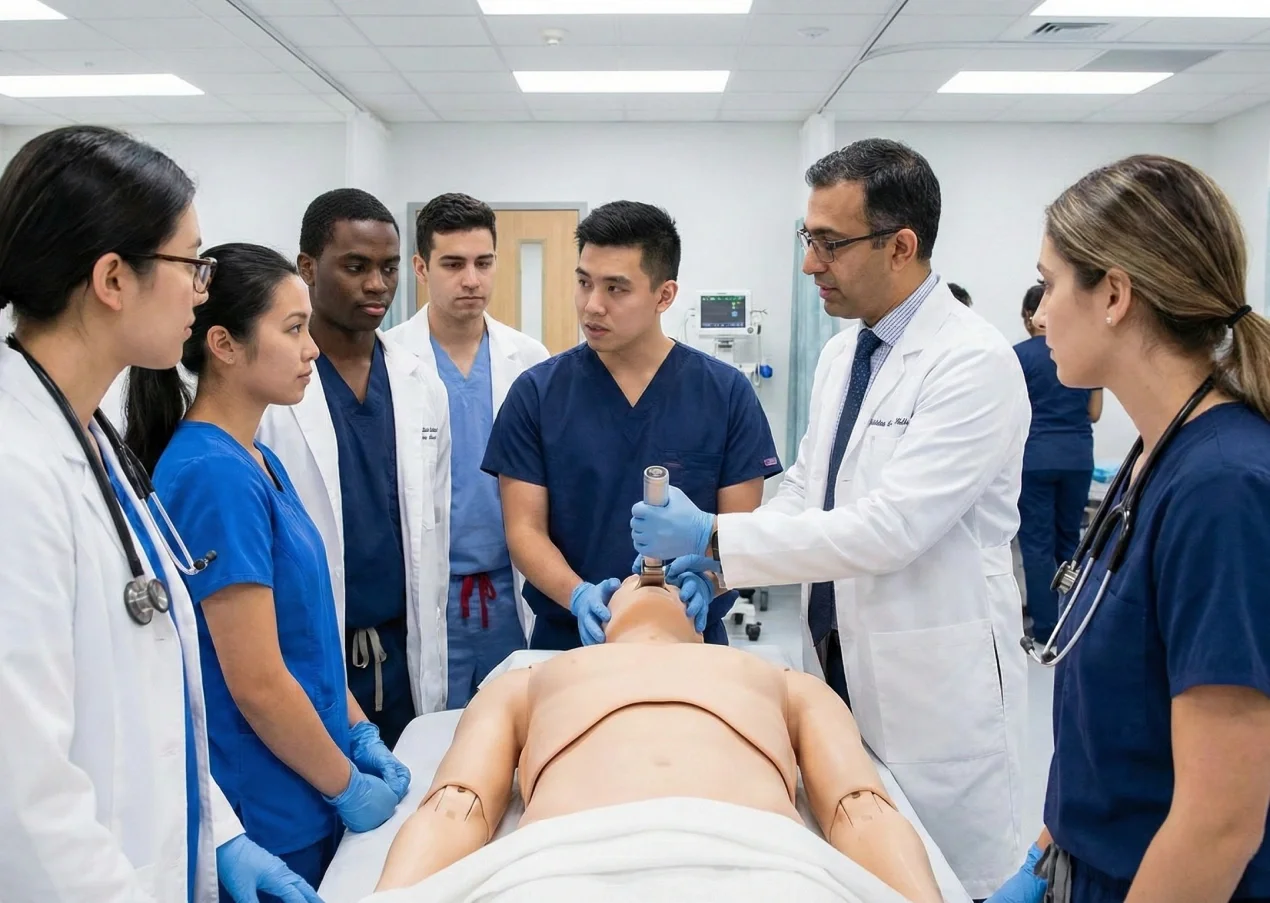
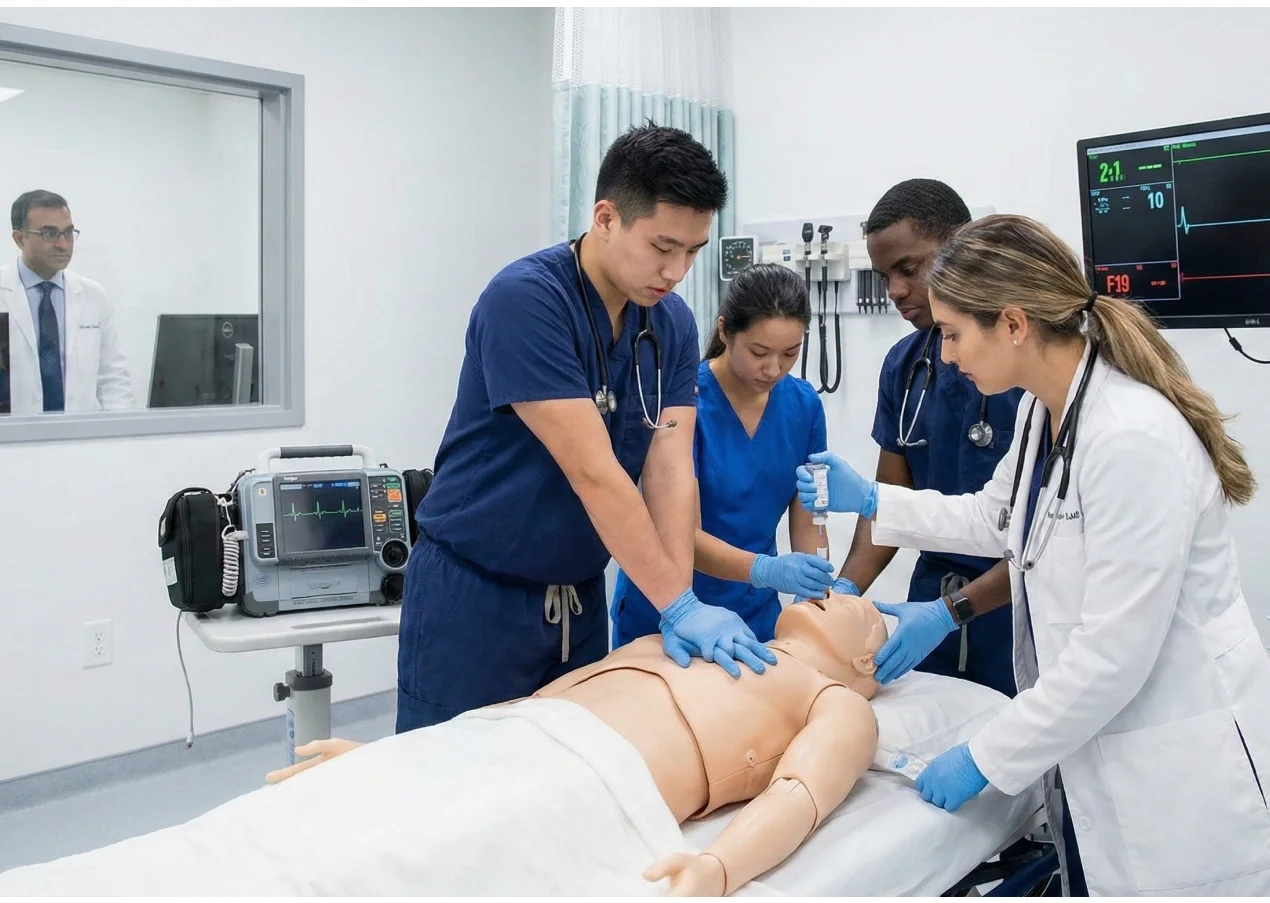
Emergency Medicine is a dynamic medical specialty dedicated to the immediate assessment, diagnosis, and management of patients presenting with acute illnesses or traumatic injuries that require urgent care. Emergency physicians, commonly known as ER doctors, are trained to treat undifferentiated and unscheduled patients across all age groups. They function as frontline healthcare providers, delivering time-sensitive and potentially life-saving interventions.
A Fellowship in Emergency Medicine enables physicians to further specialize within this fast-paced and high-demand field. Participants can focus on key subspecialty areas such as:
- Medical Toxicology
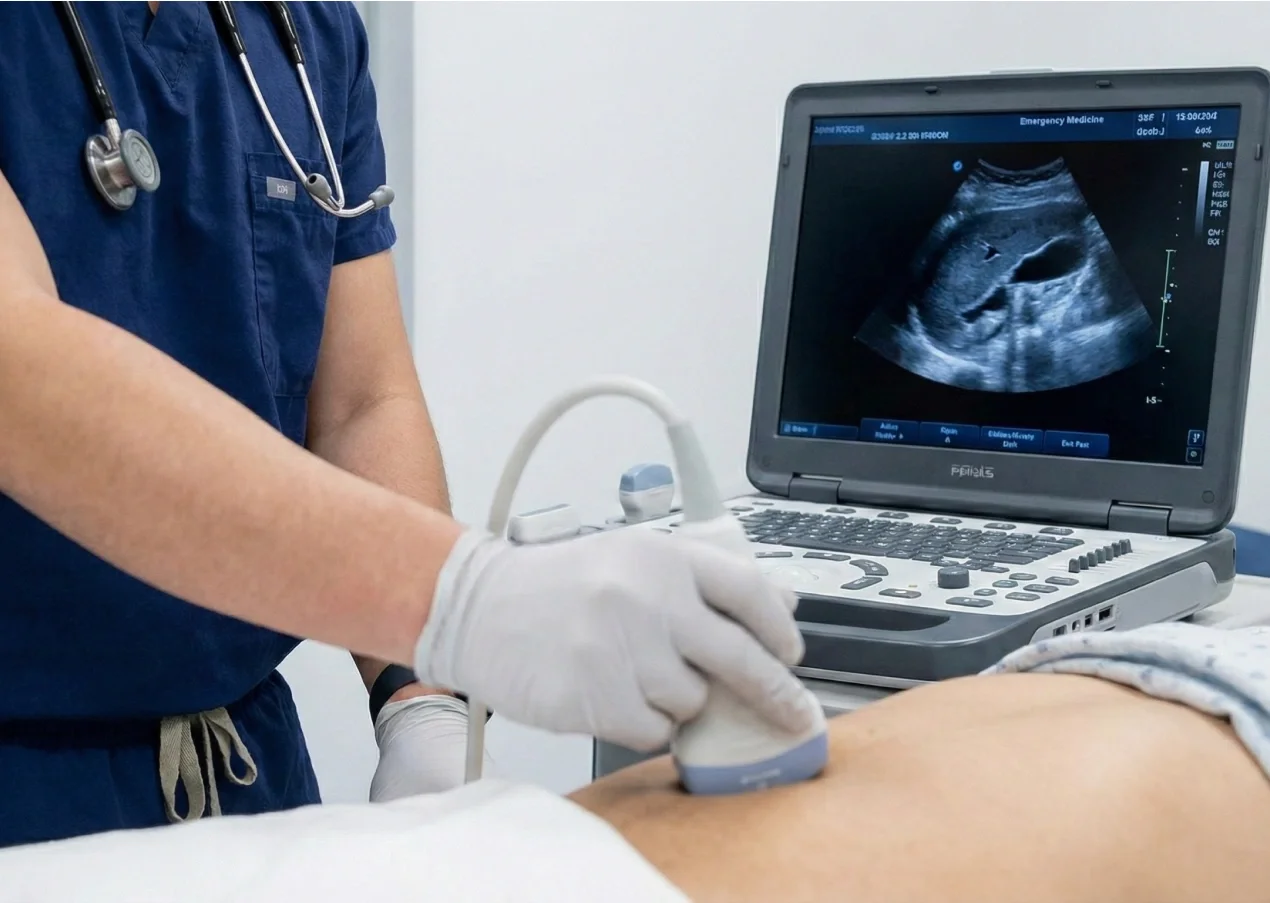
- Point-of-Care Ultrasound (POCUS)
- Pediatric Emergency Care
- Critical Care Medicine
- Sports Medicine
- Emergency Department Administration
The primary goal of Emergency Medicine Fellowship programs is to enhance clinical expertise and deepen knowledge in a focused domain of emergency practice. Throughout the training, physicians work closely with experienced faculty and subject-matter experts, gaining hands-on exposure to complex and high-acuity cases. Rotations through busy emergency departments, trauma centers, and specialized care units provide comprehensive clinical exposure and a well-rounded understanding of real-world emergency scenarios.
For MBBS graduates, the Fellowship in Emergency Medicine offers a valuable opportunity to acquire advanced competencies in acute care, receive structured training in managing life-threatening emergencies, and build a fulfilling career as frontline medical professionals in high-pressure clinical environments.
Why GTR Academy?
The Fellowship in Emergency Medicine at GTR Academy is designed to equip physicians with in-depth theoretical knowledge and advanced practical skills required to manage critical and life-threatening medical conditions. This program provides broad exposure to diverse emergency cases, strengthening clinical reasoning, rapid decision-making, and procedural expertise.
Offered in a hybrid format, the program combines online learning with practical exposure, ensuring flexibility for working professionals while maintaining strong clinical relevance. The curriculum is structured to help physicians confidently handle emergencies, optimize patient outcomes, and function effectively in demanding healthcare settings.
Program Outcomes (After One Year of Fellowship in Emergency Medicine)
Upon successful completion of the program, participants will be able to:
- Demonstrate enhanced proficiency in assessing, diagnosing, and managing patients with life-threatening illnesses and traumatic injuries.
- Perform essential emergency procedures, including advanced airway management, trauma resuscitation, procedural sedation, and central venous line insertion.
- Effectively manage high-pressure clinical situations such as cardiac arrests, medical emergencies, disaster response, and mass casualty incidents.
- Exhibit strong communication skills to provide emotional support, counseling, and clear guidance to critically ill patients and their families.
Our Training Partner





Key Features

First-Hand Clinical Training
Gain practical exposure in real-world clinical settings through hands-on training at multi-specialty hospitals, enabling direct involvement in frontline patient care.

Hybrid Learning Model
Flexible learning schedules designed for working professionals, with expert-curated resources that comprehensively cover essential clinical knowledge.

Global Recognition
Accredited by organizations such as eIntegrity, CPD, NHS, and more, ensuring international acceptance and credibility.

Expert Medical Faculty
Learn from experienced and accomplished Family Medicine clinicians through interactive and case-based sessions.
Step into the world of high-paying Medical careers!
Program Curriculum
Module 1. General Approach to Emergency Medicine
- Emergency department operations
- documentation, triage, referrals, GP/ambulance coordination, telephone advice
- Junior doctor challenges, handling difficult or special patients
- Discharges, transfers, breaking bad news
- Medicolegal concerns
- Infection control
- Emergency kits, roadside care, and major incidents.
Module 2. Life-threatening Emergency
- Management of anaphylaxis
- Choking
- Cardiac arrest (BLS, ALS, post-resuscitation care)
- Central lines
- Sepsis, and types of shock.
Module 3. Surgical Emergency
- Evaluation and causes of abdominal pain
- Appendicitis
- Pancreatitis
- Biliary and bowel issues
- Urological and vascular emergencies, abscesses
- Cellulitis
- Acute limb ischemia.
Module 4. Cardiological Emergency
- ECG interpretation
- Chest pain syndromes
- Myocardial infarction (STEMI)
- Pericarditis, brady/tachyarrhythmias
- Heart failure, hypertension, and aortic dissection.
Module 5. Respiratory Emergency
- Assessment of dyspnea
- Oxygen therapy
- ABGs, asthma
- COPD
- Pneumonia, pneumothorax, PE, pleural effusion
- Pulmonary oedema.
Module 6. Gastroenterological Emergency
- Management of upper/lower GI bleeding
- Ascites, and hepatic encephalopathy.
Module 7. Neurological Emergency
- Headache types, delirium, unconsciousness, syncope, stroke
- TIAs, seizures, and status epilepticus.
Module 8. Endocrine Emergency
- Hypoglycaemia
- Hyperglycaemic states
- Sodium imbalances
- Addisonian and thyrotoxic crises.
Module 9. Uro-nephrology Emergency
- UTIs
- Renal failure
- Potassium disturbances.
Module 10. Toxicology
- Poisoning approach, diagnosis, decontamination, antidotes, and specific poisonings (e.g., opioids, TCA, paracetamol, alcohols, chemicals, illicit drugs, etc.).
Module 11. Infectious Disease
- Infectious diseases overview, notifiable conditions
- Meningitis
- Food poisoning
- Tuberculosis
- STIs
- HIV, and imported infections like malaria and dengue.
Module 12. Environmental Emergencies
- Hypothermia
- Frostbite, drowning, diving and heat-related emergencies
- Electrical and radiation incidents.
Module 13. Analgesia and Anaesthesia
- Pain management
- Types of analgesics
- Local and regional anaesthesia
- Sedation and emergency anaesthesia.
Module 14. Major Trauma
- Trauma principles, airway/breathing/circulation management, head/spinal/abdominal/chest injuries, burns
- Blast and crush injuries, and trauma imaging.
Module 15. Wounds
- Cover wound assessment, cleaning, closure, and infection prevention.
Module 16. Fractures, Orthopaedics
- Include common fracture types, management
- Splinting, and orthopedic emergencies.
Module 17. Ophthalmology
- Eye injury assessment, corneal trauma, contact lens issues, visual loss, and red eye management.
Module 18. Ear, Nose, and Throat
- ENT foreign bodies, vertigo, epistaxis, earache, infections
- Dental emergencies.
Module 19. Obstetrics and Gynaecology
- Gynaecological and obstetric emergencies
- Pregnancy complications, delivery management, and post-partum issues.
Module 20. Psychiatry
- Psychiatric assessment, aggression management
- Suicide/self-harm, major disorders, substance abuse, legal considerations.
Module 21. Paediatric Emergencies
- Child resuscitation, common illnesses, infections
- Trauma, seizures, poisoning, and child abuse evaluation and management.
Course Eligibilty
- MBBS Graduates.
- MBBS Final Years Student
- Applicants who are in their final year can also apply.
- MD/DNB/FNB & residents working in healthcare.
- BAMS / BHMS / Ayush
- Ayush ( BAMS / BHMS / BYNS /BUMS )
Emergency Medicine
Live Online
₹130,000
₹110,000
(including registration fees of 10,000.00)
Hear from our Alumini
Explore firsthand accounts of student experiences. Hear their stories, triumphs,
and insights that make our community exceptional. Real voices, real impact.
This fellowship helped me upgrade my clinical skills in diabetes management. The mentor explained insulin therapy, case handling, and treatment protocols in a very practical way. I now feel confident managing diabetic patients in my clinic.

Frequently Asked Questions
1. What is a Fellowship in Emergency Medicine?
A Fellowship in Emergency Medicine is an advanced clinical training program designed to enhance a doctor’s skills in managing acute, life-threatening, and trauma-related medical conditions in emergency settings.
2. Who is eligible to apply for this fellowship?
The program is generally open to:
- MBBS graduates
- Medical officers
- General practitioners
- Doctors working in emergency departments
(Eligibility may vary depending on the institution.)
3. What is the duration of the Fellowship in Emergency Medicine?
The duration typically ranges from 6 months to 1 year, depending on the structure and mode of training (online, hybrid, or hospital-based).
4. What skills will I gain during this fellowship?
- Participants will develop skills in:
- Emergency patient assessment and triage
- Basic and Advanced Life Support (BLS & ACLS)
- Trauma management
- Airway management
- Cardiac emergencies
- Stroke management
- Shock and sepsis management
- Emergency procedures and stabilization
5. Is this fellowship practical or theory-based?
- Most programs include a combination of:
- Case-based discussions
- Clinical exposure
- Simulation-based learning
- Hands-on emergency training (depending on format)
6. Can I pursue this fellowship while working?
Yes. Many programs are designed for working professionals and offer flexible learning options such as online modules or weekend training.
7. How will this fellowship benefit my career?
- The fellowship can:
- Improve your confidence in emergency situations
- Enhance your clinical decision-making skills
- Increase employability in hospitals and trauma centers
- Support career growth in critical care settings
- Strengthen your professional profile
8. What topics are covered in the curriculum?
The course usually covers:
- Trauma and accident management
- Cardiac emergencies
- Neurological emergencies
- Pediatric emergencies
- Toxicology
- Respiratory emergencies
- Emergency procedures and resuscitation
9. Will I receive a certificate after completion?
Yes. Upon successful completion of the program requirements, you will receive a Fellowship Certificate in Emergency Medicine.
10. Is the fellowship recognized?
Recognition depends on the issuing institution. It is advisable to check accreditation, affiliations, and institutional credibility before enrollment.
11. What career opportunities are available after completing the fellowship?
After completion, you may work as:
- Emergency Medical Officer
- Casualty Medical Officer
- Emergency Department Consultant (as per eligibility)
- Trauma care specialist
- Critical care team member
12. Is Emergency Medicine a good career option?
Yes. With increasing road accidents, cardiac emergencies, and critical care needs, trained emergency physicians are in high demand in both urban and rural healthcare settings.
13. Does this fellowship help in managing medico-legal cases?
Yes. Emergency Medicine training typically includes documentation, triage protocols, and medico-legal considerations relevant to emergency care.
14. How can I apply for the Fellowship in Emergency Medicine?
You can apply by:
- Filling out the application form
- Submitting required documents
- Completing the admission process as guided by the institution