




Fellowship In Orthopedics
Advance your skills and expertise in your field with our recognized 12-month fellowship.
Duration : 1 Year
Format: Online
Medical Prog.


Overview Orthopedics
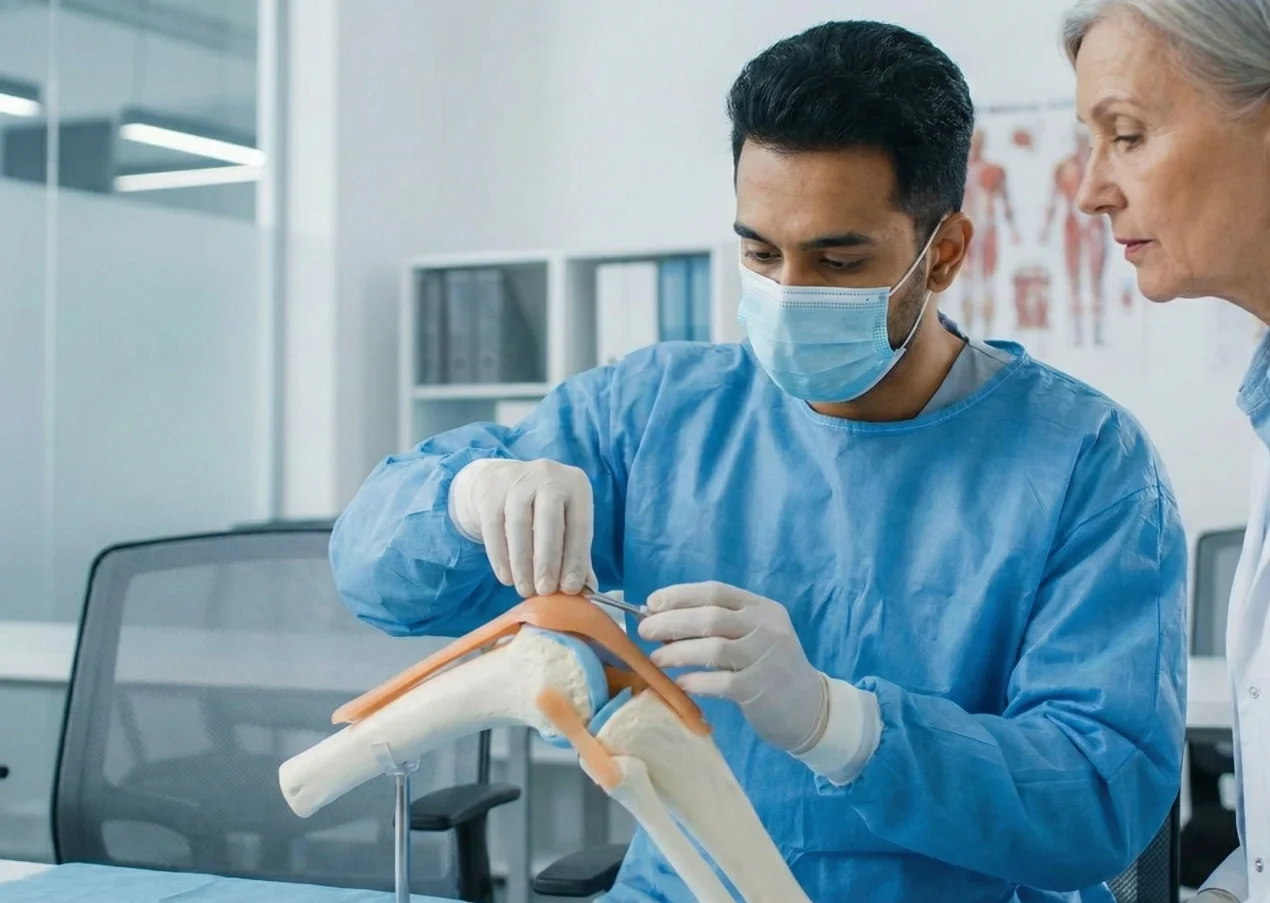
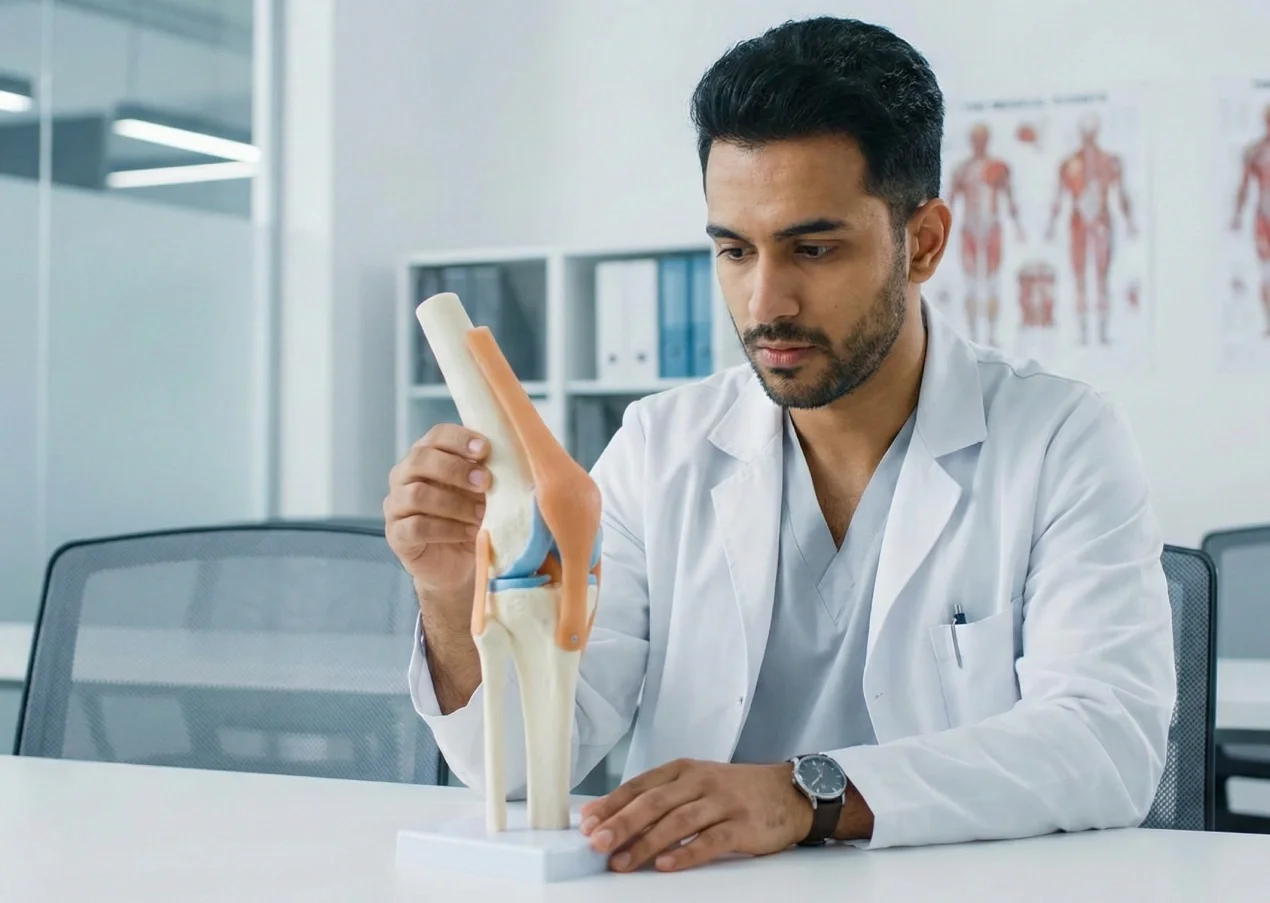
The Fellowship in Orthopedics is an advanced training program tailored for medical professionals who wish to gain specialized expertise in diagnosing, treating, and managing musculoskeletal disorders. The program provides comprehensive knowledge in areas such as orthopedic surgery, trauma care, sports injuries, joint replacement, spine conditions, and minimally invasive surgical techniques
Why GTR Academy?
The Fellowship in Orthopedics is an advanced training program tailored for medical professionals who wish to gain specialized expertise in diagnosing, treating, and managing musculoskeletal disorders. The program provides comprehensive knowledge in areas such as orthopedic surgery, trauma care, sports injuries, joint replacement, spine conditions, and minimally invasive surgical techniques.
This fellowship is designed for doctors who have completed their residency in orthopedic surgery and are looking to further refine their subspecialty skills. It offers focused education in disciplines including sports medicine, spine surgery, arthroplasty, trauma management, and pediatric orthopedics. Fellows receive extensive hands-on experience through surgical procedures, patient care, and clinical research, all under the guidance of experienced orthopedic specialists. This structured training strengthens their ability to manage complex cases with greater confidence and precision. Typically spanning one to two years, the fellowship is ideal for those aiming to deepen their expertise and expand their professional scope. Completion of the program not only enhances career prospects but also contributes to improved patient outcomes through advanced orthopedic practices.
Program Highlights:
- Comprehensive instruction in advanced orthopedic surgical techniques
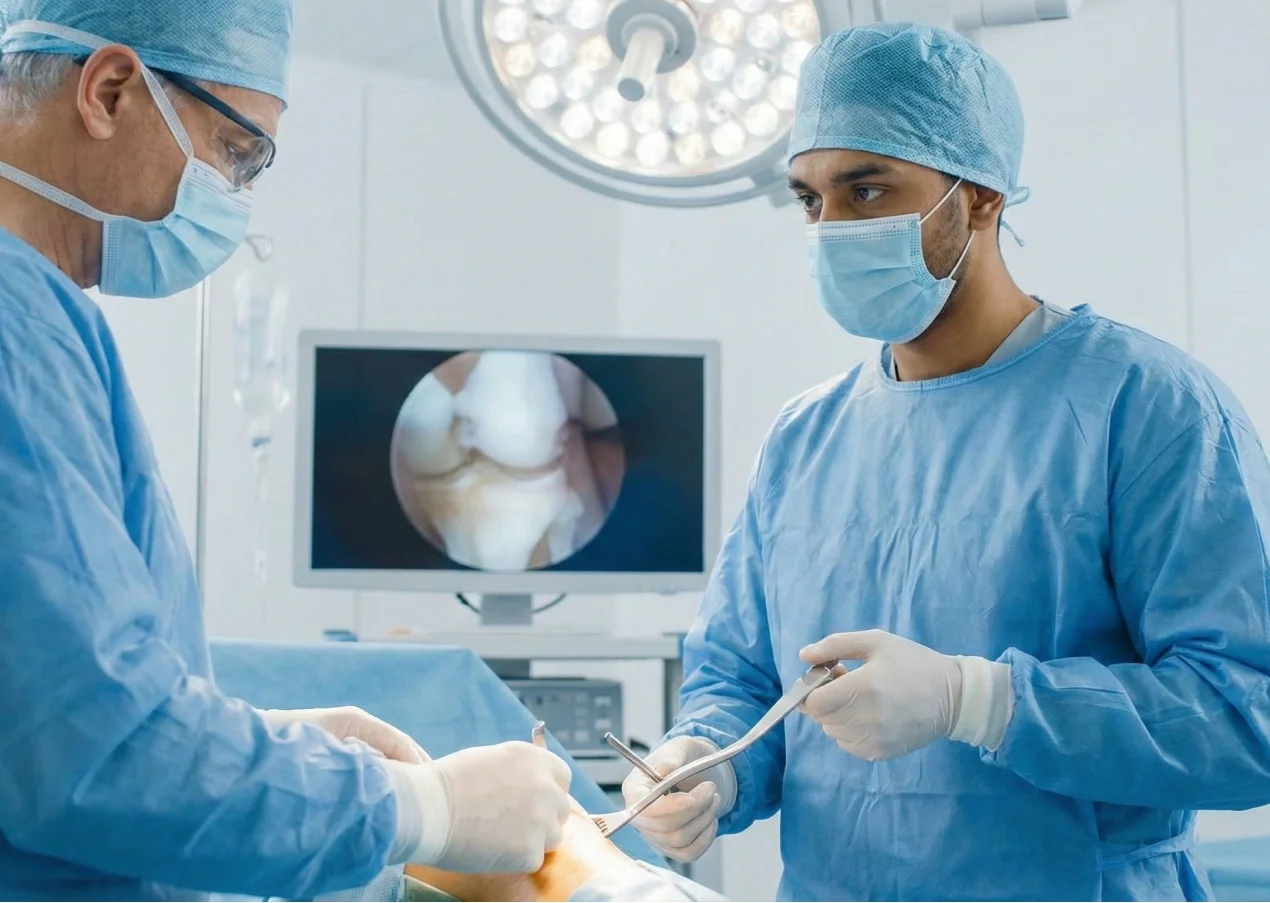
- Practical clinical exposure under expert supervision and mentorship
- Training in trauma care, arthroplasty, sports medicine, and spine surgery
- Opportunities to participate in orthopedic research and innovation
- A multidisciplinary approach to holistic patient management
Benefits After Completing a Fellowship in Orthopedics:
Career Advancement – Greater opportunities for senior and specialized roles.
Higher Earning Potential – Enhanced qualifications often lead to improved compensation.
Advanced Specialization & Expertise – Deeper knowledge in chosen orthopedic subspecialties.
Expanded Job Opportunities (Local & Global) - Increased eligibility for positions in reputed hospitals and institutions worldwide.
Research & Innovation Opportunities – Ability to contribute to advancements in orthopedic science and surgical techniques.
Professional Prestige & Recognition – Recognition as a highly trained specialist within the orthopedic community.
Our Training Partner


Key Features
First-Hand Clinical Training
Gain practical exposure in real-world clinical settings through hands-on training at multi-specialty hospitals, enabling direct involvement in frontline patient care.
Hybrid Learning Model
Flexible learning schedules designed for working professionals, with expert-curated resources that comprehensively cover essential clinical knowledge.
Global Recognition
Accredited by organizations such as eIntegrity, CPD, NHS, and more, ensuring international acceptance and credibility.
Expert Medical Faculty
Learn from experienced and accomplished Family Medicine clinicians through interactive and case-based sessions.

Step into the world of high-paying Medical careers!
Program Curriculum
Module 1 - Basics of Orthopedics
- Introduction to Orthopedics
- Bone and Joint Anatomy & Physiology
- Principles of Fracture Healing
- Diagnostic Imaging in Orthopedics (X-ray, MRI, CT, Ultrasound)
- Musculoskeletal Disorders & Common Orthopedic Conditions
- Orthopedic Pharmacology & Pain Management
Module 2 - Spine Surgery
- Anatomy & Biomechanics of the Spine
- Degenerative Spine Disorders (Spondylosis, Disc Herniation, Stenosis)
- Spinal Trauma & Fractures
- Minimally Invasive Spine Surgery
- Spinal Infections and Tumors
- Scoliosis and Spinal Deformity Correction
- Spinal Fusion & Artificial Disc Replacement
Module 3 - Trauma & Acute Care Surgery
- Principles of Orthopedic Trauma Management
- Open & Closed Fracture Management
- Polytrauma and Emergency Orthopedic Care
- Management of Soft Tissue Injuries & Wound Care
- Pediatric Trauma & Growth Plate Injuries
- Post-Traumatic Complications (Nonunion, Malunion, Infections)
- Advanced Techniques in External Fixation & Internal Fixation
Module 4 - Arthroplasty (Computer Navigation and Robotic Surgery)
- Introduction to Arthroplasty
- Total Hip Arthroplasty (THA) & Total Knee Arthroplasty (TKA)
- Shoulder & Elbow Arthroplasty
- Role of Computer Navigation in Joint Replacement
- Robotic-Assisted Surgery: Principles & Techniques
- Postoperative Rehabilitation & Outcomes Assessment
- Management of Arthroplasty Complications
Module 5- Arthroscopy & Sports Injury
- Fundamentals of Arthroscopy
- Arthroscopic Knee Surgery (ACL, Meniscus, Cartilage Repair)
- Arthroscopic Shoulder Surgery (Rotator Cuff Repair, Labral Repair)
- Sports-Related Injuries & Rehabilitation
- Ligament Reconstruction & Tendon Transfers
- Advances in Biologics & Regenerative Medicine in Sports Injuries
- Post-Surgical Rehabilitation & Return-to-Play Strategies
Module 6 - Joint Replacement
- Indications & Contraindications for Joint Replacement
- Preoperative Planning & Patient Selection
- Surgical Techniques for Hip, Knee, and Shoulder Replacement
- Complications & Revision Joint Replacement Surgery
- Implant Selection & Biomaterials in Joint Replacement
- Rehabilitation & Functional Recovery Post-Replacement
Long-Term Outcomes & Quality of Life Improvement
Course Eligibilty
- MBBS Graduates.
- MBBS Final Years Student
- Applicants who are in their final year can also apply.
- MD/DNB/FNB & residents working in healthcare.
- Ayush ( BAMS / BHMS / BYNS /BUMS )
Hear from our Alumini
Explore firsthand accounts of student experiences. Hear their stories, triumphs,
and insights that make our community exceptional. Real voices, real impact.
This fellowship helped me upgrade my clinical skills in diabetes management. The mentor explained insulin therapy, case handling, and treatment protocols in a very practical way. I now feel confident managing diabetic patients in my clinic.
Frequently Asked Questions
1. What is a Fellowship in Orthopedics?
A Fellowship in Orthopedics is an advanced subspecialty training program designed for doctors who wish to gain deeper expertise in the diagnosis, surgical management, and rehabilitation of musculoskeletal disorders.
2. Who is eligible to apply?
Candidates who have completed MS/DNB in Orthopedics (or an equivalent orthopedic residency program) are generally eligible. Some programs may have additional eligibility criteria depending on the institution.
3. What is the duration of the fellowship?
Most orthopedic fellowship programs last between one to two years, depending on the subspecialty and training structure.
4. What subspecialties are available in Orthopedic Fellowships?
Common subspecialties include:
- Sports Medicine
- Spine Surgery
- Joint Replacement (Arthroplasty)
- Trauma Surgery
- Pediatric Orthopedics
- Arthroscopy
- Hand and Upper Limb Surgery
5. What kind of training does the fellowship provide?
The fellowship typically includes:
- Advanced surgical training
- Hands-on operative experience
- Outpatient and inpatient case management
- Exposure to complex and revision surgeries
- Participation in academic discussions and research
6. Is research a part of the fellowship?
Yes. Many programs encourage fellows to participate in clinical research, publish papers, and present findings at orthopedic conferences.
7. Does completing a fellowship improve career prospects?
Yes. A fellowship enhances clinical expertise, increases job opportunities in reputed hospitals (both locally and internationally), and strengthens professional credibility.
8. Will I be able to handle complex orthopedic cases after the fellowship?
Yes. The advanced training and supervised surgical exposure equip fellows with the confidence and skills required to manage complex musculoskeletal cases.
9. Is a Fellowship in Orthopedics mandatory to practice?
No. It is not mandatory to practice as an orthopedic surgeon; however, it is highly beneficial for those who wish to specialize further and gain advanced expertise in a specific area.
10. What are the benefits of pursuing a Fellowship in Orthopedics?
Key benefits include:
- Subspecialty expertise
- Higher earning potential
- Professional recognition
- Research opportunities
- Improved patient outcomes through advanced techniques