PG Diploma in Financial Modeling & Valuation with AI
Reach the pinnacle of business leadership with Financial Modeling & Valuation with AI. Harness AI-powered financial models and valuations to drive strategic outcomes in a globally competitive environment.
Duration: 6 Months
Format: Online
Accredited Program

Apply Now
Start Today
Get Advice
Free Consultation
Download Brochure
Get Course Details
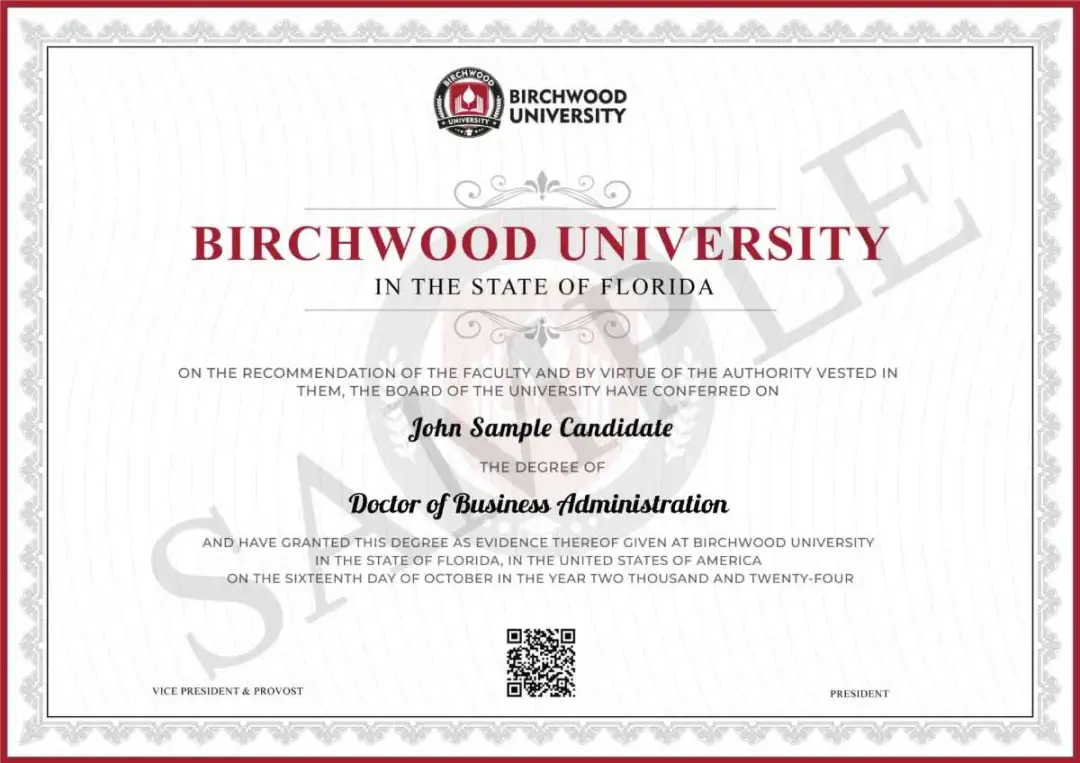

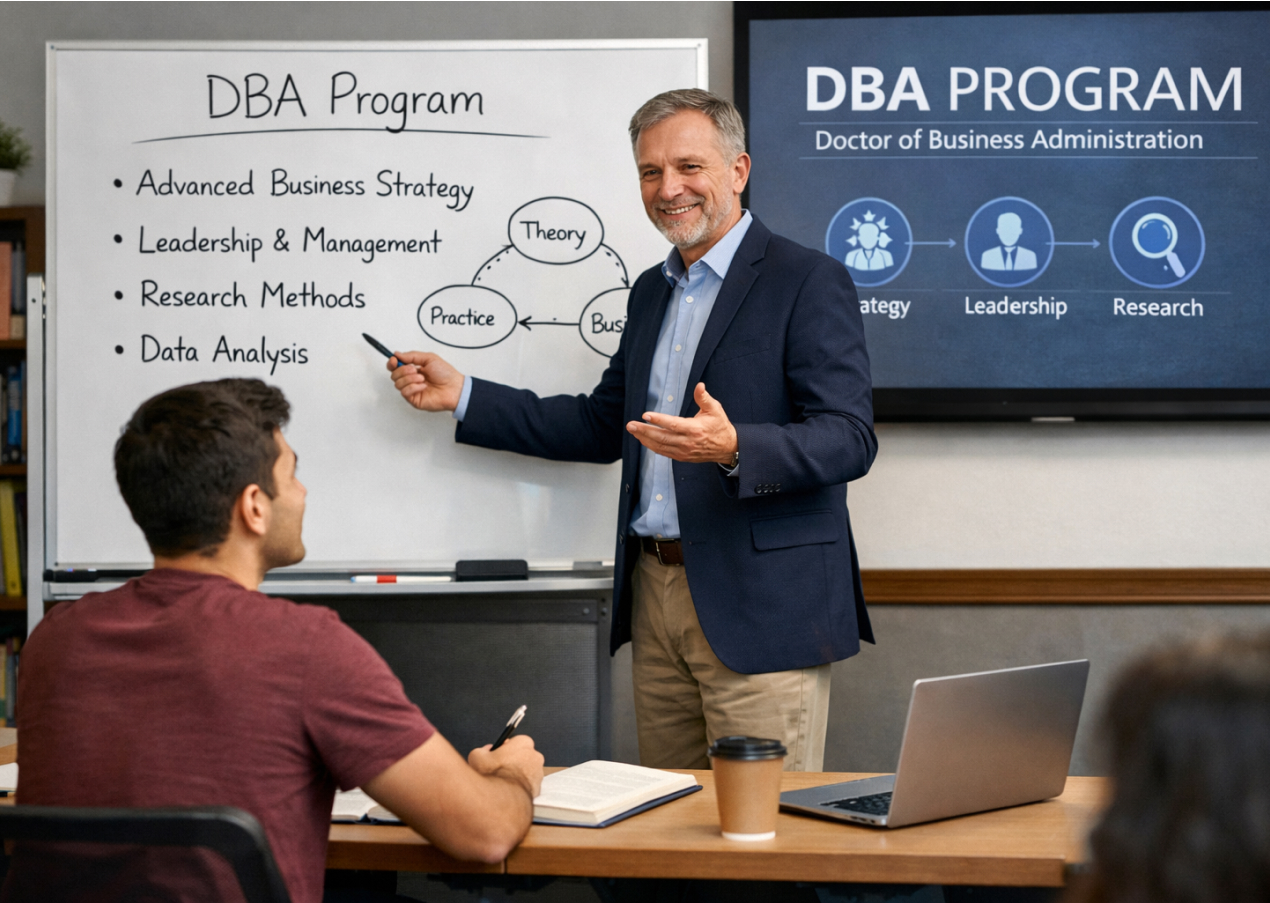

Doctor of Business Administration (DBA)
Advanced Your Career to the Highest Level of Business Leadership.
Duration: 2 Year
Format: Online
Accredited Program
Apply Now
Start DBA Today
Get Advice
Free Consultation
Download Brochure
Get Course Details
Course Overview
PG Diploma of Business Administration
GTR Academy’s Financial Modelling & Valuation Course is a comprehensive, job-oriented program designed for beginners, graduates, and working professionals who want to build strong, industry-ready finance skills through hands-on learning.
This program focuses on practical financial modelling, valuation techniques, and real-world case studies used across Investment Banking, Corporate Finance, Consulting, and Financial Analysis roles. Learners gain the expertise required to build accurate, structured, and decision-driven financial models aligned with real business scenarios.
You will gain extensive hands-on experience in financial statement modelling, forecasting, DCF valuation, comparable company analysis, financial analysis, and Excel-based applications, ensuring practical exposure rather than theoretical learning.
With expert mentorship, real-time projects, and placement-focused training, learners receive a Financial Modelling Certification and a Verifiable Certificate of Completion from GTR Academy, significantly enhancing career opportunities and professional credibility.
The Changing Business Landscape
The Changing Business Landscape
The pace of change in finance is unlike anything before. Financial Modeling & Valuation with AI helps you stay ahead with future-ready skills that drive strategic impact
55%
CEOs believe identifying the next generation of leaders is the top challenge.
$18.59B
Global business education market growth driven by advanced qualifications.
9%
Demand for PG Diploma professionals in Financial Modeling & Valuation is expected to grow steadily till 2033.
$101,000
Median salary highlights strong leadership and earning potential.
Admission
Admission Requirements
General Admission Requirements
A copy of a valid government-issued photo identity card.
A copy of an updated resume.
Any document not in English must be accompanied by a certified translated copy.
Additional Admission Requirements for PG Diploma in Financial Modeling & Valuation with AI
Applicants must have earned a Bachelor’s degree in finance, commerce, accounting, economics, business administration, engineering, mathematics, statistics, or a closely related field from a recognized college or university. A minimum Grade Point Average (GPA) of 3.00 or higher is preferred for admission.
Basic knowledge of finance, accounting, and Microsoft Excel is recommended. Prior exposure to data analytics or programming will be an added advantage.
Relevant work experience in finance, accounting, banking, consulting, analytics, or a related domain is preferred but not mandatory.
Submission and evaluation of the program application including academic transcripts and resume.
Applicant interview, if necessary, as determined by the Program Director.
Applicants may be required to submit a short statement of purpose explaining how the PG Diploma in Financial Modeling & Valuation with AI will enhance their knowledge and support their career goals.
Why Choose Us
Why choose PG Diploma in Financial Modeling
The PG Diploma in Financial Modeling & Valuation with AI is designed for professionals and graduates who want to stay ahead in a rapidly evolving financial landscape. This program uniquely combines core financial modeling and valuation expertise with artificial intelligence–driven analytics, enabling learners to make smarter, faster, and more accurate financial decisions.
The curriculum emphasizes hands-on, practical learning through real-world case studies, live projects, and industry-aligned tools used in investment banking, corporate finance, consulting, and financial analysis. Learners develop strong capabilities in financial statement modeling, forecasting, valuation techniques, and AI-powered scenario analysis—skills that are highly valued by employers globally.
Admission
Admission Requirements
General Admission Requirements
- A copy of a valid government-issued photo identity card.
- A copy of an updated resume.
- Any document if not in English must be accompanied by a certified translated copy.
Admission
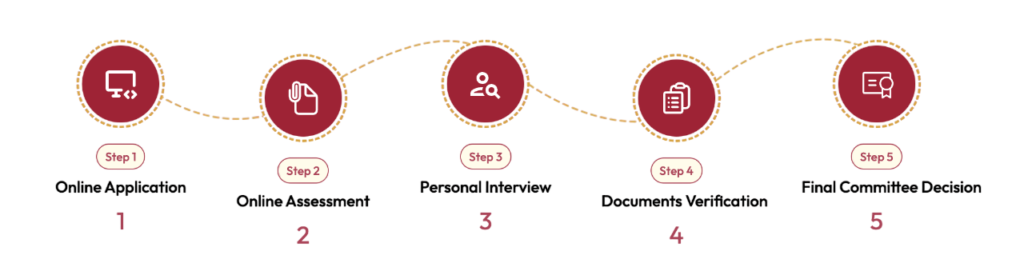
Your Path to Admission
We evaluate candidates based on their educational background, professional performance, and openness to applications. Our goal is to identify motivated individuals with strong leadership potential and a passion for advancing in Doctorate in Business Administration.

Additional Admission Requirements for PG Diploma in Financial Modeling & Valuation with AI
Applicants must have earned a Bachelor’s degree in finance, commerce, accounting, economics, business administration, engineering, mathematics, statistics, or a closely related field from a recognized college or university. A minimum Grade Point Average (GPA) of 3.00 or higher is preferred to be considered for admission.
Relevant work experience within a corporate finance team, consulting firm, banking/financial services institution, analytics role, or related industry is preferred but not mandatory.
Submission and evaluation of the program application including academic transcripts and an updated resume.
Applicant interview, if necessary, as determined by the Program Director.
Applicants must submit a short essay explaining how earning a PG Diploma in Financial Modeling & Valuation with AI will advance their knowledge and contribute to their career goals.
Transfer students must supply their high school transcripts and previous college or university transcripts (if applicable).
Requirements
Admission Application and Graduation Requirements
Application for Admission
Candidates seeking admission to the PG Diploma in Financial Modeling & Valuation with AI program at Birchwood University should complete the online application form and make the necessary payment. A non-refundable application fee of $150.00 through credit card/bank transfer payable to Birchwood University must be made by the applicants.
Applicants must submit all the requisite documents to be considered for admission. Shortlisted candidates will receive an email with further instructions. Candidates may expect regular updates and guidance from the admission agent to ensure their complete documents reach our office.
PG Diploma in Financial Modeling & Valuation with AI – Graduation Requirements
To graduate from Birchwood University and to be awarded the PG Diploma in Financial Modeling & Valuation with AI, students must:
-
Complete coursework, meet the credit requirements as per the program, and successfully complete all financial modeling and valuation projects.
-
Need to earn a minimum 3.0 cumulative GPA.
-
Meet satisfactory academic progress.
-
Fulfill all monetary obligations.
Course Key Highlights
Financial Modelling of Business Administration Course - Key Highlights
Earn a globally recognized online Doctor of Business Administration and propel your career to the next level.
100% Online Programs
No campus visit required
24*7 Access
Advanced learning management system for world-class learning experience.
World-class Curriculum
Developed by Industry experts from leading MNCs
The Cohort Experience
Establish a robust network and connections across industries to boost professional advancements.
Objectives
Program Objectives
The PG Diploma in Financial Modelling & Valuations is a practitioner-focused program designed to develop advanced financial analysis capabilities, strong managerial competencies, and practical technological proficiency required in today’s data-driven business environment. The program prepares learners to excel across diverse sectors, including corporate organizations, investment firms, consulting companies, non-profit institutions, government bodies, and hybrid public–private enterprises.
The program goals are:
- Goal 1: Develop the ability to communicate effectively, thoughtfully, and professionally within diverse and global management environments.
- Goal 2: Apply, synthesize, analyze, and integrate knowledge of business, technology, and related disciplines to design innovative and practical solutions to organizational challenges.
- Goal 3: Build proficiency in employing modern technologies and digital tools to support organizational objectives in a globalized and competitive business landscape.
- Goal 4: Demonstrate ethical, responsible, and compassionate decision-making in professional and organizational contexts.
- Goal 5: Develop the ability to analyze data, evaluate business problems, and clearly communicate applied research insights to support informed decision-making.
Licensure & Associations




Course Structure
Program Curriculum
Module 1: Excel Mastery for Investment Banking
Excel is the backbone of every investment banking financial model. From valuation to deal structuring, mastering Excel is non‑negotiable. This module is crafted by Big 4 banking experts, ensuring practical, industry‑tested skills. Tailored for financial modeling, corporate finance, and private equity, this training accelerates your career readiness.
This is how we start:
- Keyboard Shortcuts & Navigation Efficiency: Speed up modeling by replacing mouse clicks with precision key commands.
- Data Structuring & Linkages: Build robust financial models with dynamic references and interlinked sheets.
- Lookup & Match Functions: Master VLOOKUP, HLOOKUP, INDEX + MATCH for fast data retrieval in valuation models.
- Advanced Functions for Finance: Apply Sum Product, CAGR, IF statements, Pivot Tables to solve real-world banking problems.
- Financial Calculations: Compute loan EMIs, growth rates, and scenario analysis with accuracy.
- Data Visualization & Formatting: Use conditional formatting, filters, and tables to make insights visually compelling.
By the end of this module, learners will:
- Build investment banking-ready models with speed and accuracy.
- Confidently apply valuation formulas and advanced Excel functions.
- Present data in a way that grabs attention and drives decision-making.
Module 2: Advanced Excel for Investment Banking
Advanced Excel separates analysts from associates in investment banking. This module transforms raw data into actionable insights at lightning speed.
Led by Big 4 finance experts, every formula and function is aligned with real-world banking applications. Tailored for financial modeling, valuation, and deal analysis, ensuring you stand out in competitive finance roles.
This is how we will start:
- Complex Lookup Functions: Harness INDEX + MATCH combinations for precision-driven data retrieval in valuation models.
- Array & Dynamic Formulas: Solve multi-dimensional problems with array formulas and dynamic ranges for scalable models.
- PivotTables & PivotCharts: Summarize large datasets into investment banking dashboards for quick decision-making.
- Scenario & What-If Analysis: Use Goal Seek and Scenario Manager to model deal outcomes and capital structures.
- Specialized Charting: Build Waterfall and Thermometer charts to visualize M&A synergies and financial performance.
- Automation with VBA & Macros: Streamline repetitive tasks and create custom automation solutions for faster deal execution.
- Power Query & Data Cleaning: Transform raw financial data into structured models ready for corporate finance analysis.
- NPV & IRR Calculations: Apply advanced financial functions to evaluate investment opportunities and deal viability.
- Interactive Dashboards: Design banking-ready dashboards with conditional formatting and dynamic elements.
- Data Security: Protect sensitive deal models with passwords and permissions for compliance and confidentiality.
By the end of this module, learners will:
- Convert voluminous financial data into clear, actionable insights.
- Automate workflows to save hours in investment banking deal preparation.
- Present complex analysis through interactive dashboards and advanced charts that capture attention instantly.
Module 3: AI-Powered Excel for Investment Banking
AI is transforming how analysts and associates work in investment banking. This module shows how to leverage AI-driven Excel tools to turn complex data into predictive insights. Built by Big 4 finance mentors, the content blends Excel mastery with AI applications used in real-world banking. Directly aligned with financial modeling, valuation, and deal analysis, ensuring you stay ahead in the digital finance era.
This is how we will start:
- AI-Driven Insights in Excel: Use built-in features like Ideas and Linked Data to uncover hidden financial patterns.
- Power Query & Power Pivot: Transform raw datasets into structured investment banking models with advanced AI-enabled tools.
- Predictive Analytics & Forecasting: Apply machine learning with Python and R for deal forecasting, capital planning, and risk analysis.
- Dynamic Data Modeling: Build scalable financial dashboards that adapt to changing market conditions.
- Automation with AI: Reduce manual effort by integrating AI-powered workflows into valuation and reporting tasks.
- Real-World Case Studies: Step-by-step projects showcasing AI in M&A analysis, IPO forecasting, and private equity deal evaluation.
By the end of this module, learners will:
- Harness AI-enhanced Excel to deliver faster, smarter financial insights.
- Apply predictive analytics to investment banking scenarios with confidence.
- Build future-ready models that combine Excel efficiency with AI intelligence.
Module 4: Core Finance Concepts for Investment Banking
Before diving into financial modeling and valuation, every analyst must master the language of finance. This module builds the foundation for success in investment banking, private equity, and corporate finance.
Delivered by Big 4 finance experts, the content ensures clarity in interpreting financial statements and ratios used in real-world deal analysis. These concepts are directly applied in valuation models, M&A transactions, and capital market advisory.
This is how we will start:
- Financial Statements Mastery: Understand the Statement of Financial Position, Income Statement, and Cash Flow Statement with adjustments critical for valuation.
- Interlinking Statements: Learn how accounting flows across the three statements, forming the backbone of financial modeling.
- Ratio Analysis: Apply liquidity, asset management, debt management, and profitability ratios to assess company performance.
- Financial Health Evaluation: Use multiple ratios to determine the strength and stability of a business in investment banking contexts.
- DuPont Analysis: Perform 3-step and 5-step DuPont breakdowns to uncover drivers of return on equity.
- Break-Even & Margin of Safety: Analyze cost structures and profitability thresholds to evaluate risk in corporate finance.
- Time Value of Money: Calculate Present Discounted Value of Money to understand capital budgeting and deal viability.
By the end of this module, learners will:
- Confidently interpret and connect financial statements for modeling and valuation.
- Apply ratio and DuPont analysis to measure performance and profitability.
- Use time value of money concepts to evaluate investments and corporate finance decisions.
Module 5: Financial Modeling for Investment Banking
Financial modeling is the core skill every investment banker must master. This module equips learners with the structured frameworks and advanced techniques used in M&A, IPOs, private equity, and corporate finance.
Built by Big 4 banking experts, the content mirrors real-world deal execution and valuation practices. Directly applied in investment banking pitchbooks, valuation reports, and strategic advisory projects.
This is how we will start:
- Structured Model Frameworks: Build clear, logical financial models with industry-standard design principles.
- Strategic Assumptions & Scenario Planning: Define key drivers and test multiple deal outcomes with scenario analysis.
- Revenue & Business Unit Forecasting: Project top-line growth and segment performance for accurate valuation.
- Cost Structure & Optimization: Analyze fixed vs variable costs to improve profitability and efficiency.
- CapEx & Depreciation Forecasting: Plan capital expenditures, asset lifecycle management, and depreciation schedules.
- Working Capital Management: Optimize accounts receivable, accounts payable, and inventory cycles for liquidity.
- Integrated Financial Statements: Link income statement, balance sheet, and cash flow for a holistic view.
- Advanced Projections & Ratios: Apply strategic ratio analysis to evaluate performance and financial health.
- Scenario & Sensitivity Testing: Stress-test models under different market conditions to assess risk exposure.
- Executive-Level Reporting: Present clear, concise insights through dashboards and professional reports.
By the end of this module, learners will:
- Design investment banking-ready models with clarity and precision.
- Forecast revenues, costs, and capital structures with confidence.
- Deliver executive-level insights that drive strategic decisions in finance.
Module 6: Feasibility Studies for Investment Banking Projects
Every investment decision hinges on feasibility. This module equips learners with the analytical tools to evaluate whether a project is financially viable before capital is committed.
Handcrafted by Big 4 finance experts, the content blends theory with practical case studies across industries. Directly applied in M&A, private equity, corporate finance, and capital budgeting, ensuring learners can assess risk and profitability with confidence.
This is how we will start:
- NPV vs IRR Analysis: Understand why Net Present Value (NPV) is superior to IRR for evaluating project viability.
- Dynamic Business Models: Build flexible models using XIRR and MIRR to capture multiple scenarios and cash flow variations.
- Assumption Development: Learn to justify and validate assumptions before constructing financial models for investment decisions.
- Cost of Capital Calculations: Apply WACC and CAPM formulas to determine the appropriate discount rate for feasibility studies.
- Free Cash Flow Analysis: Calculate FCFF (Free Cash Flow to Firm) and FCFE (Free Cash Flow to Equity) to measure profitability.
- Real-Life Case Studies: Explore sector-specific examples to assess financial viability of projects before committing to investments.
By the end of this module, learners will:
- Confidently evaluate project feasibility using advanced financial metrics.
- Apply NPV, WACC, and free cash flow analysis to real-world investment banking scenarios.
- Build dynamic models that adapt to multiple assumptions and market conditions.
Module 7: DCF Valuation for Investment Banking
Discounted Cash Flow (DCF) is the gold standard of valuation in investment banking. This module equips learners with the technical depth and practical application needed to evaluate companies, projects, and deals with precision.
Designed by Big 4 valuation experts, the content mirrors real-world practices used in M&A, IPOs, and private equity. Directly applied in deal structuring, equity research, and corporate finance advisory, ensuring learners can deliver credible valuation insights.
This is how we will start:
- DCF Fundamentals: Understand the concept and importance of DCF valuation in investment decision-making.
- Cash Flow Forecasting: Build detailed projections and distinguish between Free Cash Flows vs Normal Cash Flows.
- Projection Periods: Decide the high-growth horizon and transition to stable growth phases.
- FCFF vs FCFE: Differentiate between Free Cash Flow to Firm and Free Cash Flow to Equity for valuation accuracy.
- Non-Cash Adjustments: Treat depreciation, amortization, and other non-cash items correctly in free cash flow calculations.
- Cost of Capital: Calculate WACC and CAPM, determine current cost of debt, and factor in sovereign default spreads.
- Equity Risk Premium & Beta: Estimate ERP, analyze levered vs unlevered beta, and compute beta for private companies.
- Capital Structure Impact: Assess how target capital structure influences Cost of Equity (Ke) and overall valuation.
- Terminal Value Estimation: Apply perpetuity growth and exit multiple methods to derive terminal value.
- Sensitivity & Scenario Analysis: Stress-test assumptions to measure valuation robustness under different conditions.
- Comparative Valuation: Benchmark DCF against other valuation methods for cross-validation.
- Practical Application: Apply DCF to real-world companies and integrate results into investment banking decisions.
By the end of this module, learners will:
- Master the DCF framework used in top-tier investment banks.
- Confidently forecast cash flows, calculate WACC, and estimate terminal values.
- Deliver valuation insights that drive M&A, IPO, and private equity decisions.
Module 8: Trading Comps for Investment Banking
Trading comparables (comps) are one of the most widely used valuation techniques in investment banking. This module teaches how to benchmark companies against peers and derive actionable insights.
Crafted by Big 4 valuation experts, the content reflects the exact process used in equity research, M&A, and IPO pricing. Directly applied in deal advisory, equity valuation, and corporate finance, ensuring learners can deliver credible comps analysis.
This is how we will start:
- Peer Company Selection: Identify and select appropriate peer groups for accurate benchmarking.
- Data Gathering & Normalization: Collect financial metrics from statements and normalize data for comparability.
- Valuation Multiples Mastery: Understand and calculate EV/EBITDA, P/E, EV/Sales, and other industry-specific multiples.
- Comps Table Construction: Build a comprehensive comps table in Excel to organize and analyze valuation data.
- Insightful Analysis: Interpret multiples to derive meaningful valuation insights and compare subject company performance.
- Industry-Specific Adjustments: Learn how fundamentals impact multiples and select the right multiple for each industry.
- Real-World Application: Apply trading comps analysis to live companies and transactions for practical investment banking exposure.
By the end of this module, learners will:
- Confidently perform trading comps analysis with industry-standard accuracy.
- Benchmark companies against peers using valuation multiples.
- Present comps-driven insights that strengthen investment banking pitchbooks and advisory reports.
Module 9: Transaction Comps for Investment Banking
Transaction comparables (deal comps) are critical for understanding how markets value companies in real-world deals. This module equips learners with the tools to benchmark transactions and derive actionable valuation insights.
Executed by Big 4 banking experts, the content mirrors the methodology used in M&A, IPO pricing, and private equity deal analysis. Directly applied in deal advisory, fairness opinions, and strategic valuation reports, ensuring learners can deliver credible transaction comps analysis.
This is how we will start:
- Strategic Importance of Transaction Comps: Learn why deal comparables are essential in investment banking valuations.
- Comparable Transaction Selection: Identify and select appropriate precedent transactions for accurate benchmarking.
- Data Collection & Validation: Gather and validate transaction data from financial statements and deal disclosures.
- Data Adjustments for Consistency: Normalize financials to ensure comparability across transactions.
- Valuation Multiples Calculation: Compute key multiples such as EV/EBITDA, EV/Sales, and P/E from transaction data.
- Comps Table Construction: Build a comprehensive transaction comps table in Excel for structured analysis.
- Actionable Insights: Interpret multiples to derive meaningful valuation conclusions for target companies.
- Market & Deal Factors: Assess how market conditions and deal-specific fundamentals influence valuation outcomes.
- Real-World Case Studies: Apply transaction comps analysis to live deals across industries for practical exposure.
By the end of this module, learners will:
- Confidently perform transaction comps analysis with industry-standard accuracy.
- Benchmark deals using valuation multiples and market-adjusted insights.
- Present deal-driven valuation findings that strengthen investment banking pitchbooks and advisory mandates.
Module 10: Football Field Analysis in Investment Banking
Football Field Analysis is a powerful valuation tool used by analysts to present a company’s value range in a clear, visual format. This module equips learners with the ability to design, interpret, and apply football field charts in M&A, IPOs, and corporate finance advisory.
This is how we will start:
- Concept & Purpose: Grasp the importance of Football Field Analysis in determining valuation ranges.
- Pitch Deck Presentation: Learn how analysts showcase football field charts in investment banking pitchbooks.
- Valuation Range Assessment: Understand how football field analysis helps define the overall valuation range of a target company.
- Chart Preparation: Build floating bar and column charts in Excel to visually represent valuation outcomes.
- Deal Price Negotiation: Explore how football field analysis supports buyers and sellers in M&A transactions when deciding deal prices.
By the end of this module, learners will:
- Confidently prepare and present football field charts in professional pitch decks.
- Use valuation ranges to support negotiations and deal-making in investment banking.
- Apply football field analysis to real-world companies and transactions for practical impact.
Module 11: M&A and Case Study in Investment Banking
Mergers and Acquisitions (M&A) are at the heart of investment banking, driving corporate growth, restructuring, and strategic expansion. This module provides a complete framework to understand deal structures, valuation techniques, and real-world case applications, preparing learners to analyze and execute transactions with confidence.
This is how we will start:
- Introduction to M&A: Explore the fundamentals of mergers and acquisitions and their role in corporate strategy.
- Types of Mergers: Understand horizontal, vertical, and conglomerate mergers with practical examples.
- M&A Process Overview: Break down the pre-transaction, transaction, and post-transaction phases for clarity.
- Deal Structures: Learn how M&A deals are structured across different industries and transaction types.
- Due Diligence: Master the financial, legal, and operational due diligence process to assess risks and opportunities.
- Valuation Techniques: Apply Comparable Company Analysis (CCA), Precedent Transaction Analysis (PTA), and DCF valuation to M&A deals.
- M&A Modeling in Excel: Build transaction models to evaluate synergies, financing, and deal outcomes.
- Synergies Analysis: Identify and quantify cost and revenue synergies to measure deal value creation.
- Deal Financing: Assess financing options including debt, equity, and cash structures.
- Regulatory & Legal Considerations: Understand compliance requirements and legal frameworks impacting M&A transactions.
- Case Studies & Applications: Analyze real-world financial scenarios and devise strategic solutions through case-based learning.
By the end of this module, learners will:
- Gain a comprehensive understanding of M&A processes and deal structures.
- Apply valuation and modeling techniques to real-world transactions.
- Confidently analyze synergies, financing options, and regulatory considerations in investment banking deals.
Module 12: Leveraged Buyout (LBO) Modeling
Leveraged Buyouts (LBOs) are a cornerstone of private equity and investment banking, combining valuation, financing, and strategic execution. This module equips learners with the ability to design and analyze LBO models, evaluate assumptions, and interpret deal outcomes with precision.
This is how we will start:
- LBO Model (Valuation): Build a structured LBO valuation framework to assess deal feasibility and investor returns.
- Transaction Assumptions: Define purchase price, financing mix, and ownership structure for accurate modeling.
- Debt Assumptions: Incorporate leverage levels, repayment schedules, and interest costs into the model.
- Goodwill Calculation: Understand how purchase price allocation impacts goodwill and intangible assets.
- Closing Balance Sheet: Prepare a post-transaction balance sheet reflecting new capital structure.
- Income Statement Integration: Project revenues, costs, and interest expenses to measure profitability under leverage.
- Balance Sheet & Cash Flow Statement (CFS): Link financial statements to capture working capital changes, debt service, and cash generation.
- Key Metrics: Analyze IRR, MOIC, debt-to-equity ratios, and exit multiples to evaluate deal success.
By the end of this module, learners will:
- Construct investment banking-standard LBO models with integrated financial statements.
- Evaluate transaction and debt assumptions to measure risk and return.
- Present key metrics and insights that drive private equity and leveraged finance decisions.
Module 13: Pitch Book in Investment Banking
Pitch books are the cornerstone of investment banking communication, serving as the primary tool to present deals, valuations, and strategic opportunities. This module equips learners with the ability to design persuasive, data-driven presentations that capture investor interest and secure financing.
This is how we will start:
- Purpose & Components: Understand the essential elements of a pitch book and why it is critical in deal-making.
- Narrative Development: Craft compelling storylines that clearly communicate the value proposition of transactions.
- Professional Design & Layout: Create visually impactful presentations with structured design techniques used by top banks.
- Financial & Market Integration: Incorporate financial analysis, market research, and industry insights to strengthen the investment thesis.
- Audience Tailoring: Adapt pitch books for clients, investors, and stakeholders, ensuring relevance and impact.
- Storytelling & Visualization: Use storytelling techniques and data visualization to simplify complex information persuasively.
- Strategic Application: Employ pitch books as a strategic tool to attract investors and secure financing in real-world deals.
By the end of this module, learners will:
- Confidently design investment banking-standard pitch books with clarity and impact.
- Integrate financial data, market insights, and storytelling into persuasive presentations.
- Use pitch books as a strategic lever to win clients, attract investors, and close deals.
Module 14: Power BI & Python for Investment Banking
Power BI and Python are transforming the way financial analysts and investment bankers handle data, visualize insights, and automate workflows. This module equips learners with the ability to integrate analytics, visualization, and automation into financial modeling and valuation processes.
This is how we will start:
- Data Import & Transformation: Learn the basics of importing and cleaning financial data using Power BI and Python.
- Visualizations: Create interactive dashboards and charts to present investment banking insights clearly.
- Data Modeling & Relationships: Build structured models and relationships for accurate financial analysis.
- Advanced Analytics & Machine Learning: Apply predictive analytics and simple ML techniques to forecast financial outcomes.
- Integration & Automation: Connect Power BI with other tools and use Python scripts for automation in reporting and valuation.
By the end of this module, learners will:
- Confidently use Power BI and Python to analyze and visualize financial data.
- Apply advanced analytics and machine learning to investment banking scenarios.
- Automate workflows to deliver faster, more accurate insights in deal-making and advisory.
Module 15: Futures & Options (F&O) in Investment Banking
Futures and Options (F&O) are integral to modern equity markets, enabling traders and investment bankers to hedge risks, speculate on price movements, and design complex arbitrage strategies. This module provides a structured approach to mastering derivatives and applying them in real-world financial scenarios.
This is how we will start:
- F&O Fundamentals: Gain a deep understanding of the futures and options segment in equity markets.
- Trading Strategies: Learn professional techniques including hedging, speculation, and arbitrage used by traders and bankers.
- Risk Management: Explore methods to manage and mitigate risks associated with derivatives trading.
- Case Studies & Practical Exercises: Apply theoretical knowledge to real-world scenarios for hands-on learning.
- Market Trend Analysis: Enhance your ability to analyze data and market trends for informed decision-making in F&O.
By the end of this module, learners will:
- Confidently trade and analyze futures and options in equity markets.
- Apply hedging, speculation, and arbitrage strategies to real-world investment banking contexts.
- Strengthen decision-making with data-driven insights and risk management techniques.
More Information
Additional Information for Financial Modelling Program
FAQs
Frequently Asked Questions
What are the basic requirements of the Financial Modelling of Business Administration program at Birchwood University?
Applicants must hold a Bachelor’s degree (or be in the final year) in business, finance, management, economics, accounting, IT, engineering, or a related field. An updated resume, valid photo ID, and required academic documents are needed. Prior financial modelling experience is preferred but not mandatory.
Do I need to visit University campus during the course of the program?
No. The PG Diploma in Financial Modelling of Business Administration at Birchwood University is delivered completely online. Students are not required to visit the university campus at any stage of the program. However, learners must successfully complete all prescribed coursework, assessments, and credit requirements to be awarded the PG Diploma.
How long is the PG Diploma program offered by Birchwood University?
The PG Diploma program at Birchwood University is designed to be completed within a 6-month duration. The program follows a flexible learning structure, allowing students and working professionals to balance their studies alongside personal and professional commitments.
What career opportunities are available after completing the PG Diploma program?
Graduates of the PG Diploma in Financial Modelling of Business Administration can pursue a wide range of career opportunities across corporate finance, investment banking, consulting, financial analysis, and business strategy roles. The program equips learners with practical, industry-relevant skills that are applicable in both private and public sector organizations.
Career paths may include roles such as Financial Analyst, Business Analyst, Corporate Finance Executive, Valuation Analyst, Investment Analyst, Consulting Associate, and Strategy or Planning Executive. The PG Diploma also supports career advancement for working professionals seeking leadership growth, role transitions, or enhanced decision-making responsibilities within their organizations.
Is the PG Diploma in Business Administration (Financial Modelling & Valuation) program at Birchwood University worth it?
Yes. The PG Diploma in Business Administration (Financial Modelling & Valuation) at Birchwood University offers practical, industry-aligned training that prepares learners with real-world financial modelling, valuation, and analytical skills. The program focuses on hands-on learning, expert guidance, and relevant case studies to help you build job-ready competence in finance, corporate strategy, consulting, and decision-making roles.
With flexible online delivery, a recognized academic framework, and a certificate that strengthens professional credibility, this program supports career advancement, upskilling, and role transitions for both fresh graduates and working professionals. For individuals aiming to enhance their financial expertise and business administration abilities, this PG Diploma is a valuable investment in career growth.
Begin Your Career Journey Today!
Your Career Starts Here, Take the first step
Apply now to take the first step in starting your career