

What Is Data Engineering and Why Is It Critical for Big Data Projects?
A few years ago, the word data mostly meant spreadsheets, reports, and dashboards. Today, Data Engineering means millions of events happening every second from apps, websites, machines, sensors, and cloud systems.
And here’s something many people realize too late:
all that data is useless without a strong Data Engineering Big Data foundation.
I once worked with a team that had excellent data scientists, but their models consistently failed. The reason wasn’t poor algorithms it was broken data pipelines. That experience made one thing clear: Data is not a support role. It is the backbone of every big data project.
If you’ve been asking:
What does a data engineer do?
Do you need to know coding for engineering?
What does a data engineer do vs data scientist?
You’re in the right place.
Let’s explore what data really is, why it’s critical for big data projects, and why it’s one of the most important tech careers today.
Connect With Us: WhatsApp

What Data Engineering Really Means
- If you read an IBM article on data, the core idea is simple.
- data engineering is about building reliable systems to collect, store, and process data.
- In plain terms, data engineers make data usable.
They design pipelines that:
Ingest raw data from multiple sources
Clean and transform it
Store it efficiently
Deliver it to analysts, data scientists, and applications
These data engineering concepts form the foundation of analytics, AI, and machine learning. There is no big data success without data.
What Does a Data Engineer Do in Big Data Projects?
So, what does a data engineer do in real-world projects? A data engineer ensures data flows smoothly behind the scenes. In Engineering Big Data environments, this often means handling terabytes or petabytes of data daily.
Key responsibilities include:
Building ETL and ELT pipelines
Managing data lakes and data warehouses
Ensuring data quality and reliability
Optimizing performance of large-scale systems
If you’ve ever seen diagrams in a data notes PDF showing data flowing through pipelines that’s exactly what data engineers build and maintain.
Why Data Engineering Is Critical for Big Data Projects
Big data is messy:
It’s unstructured
It arrives fast
It’s unpredictable
That’s why Data Big Data expertise is essential.
Without proper data:
Data arrives late or not at all
Systems fail under heavy load
Analytics results become unreliable
With strong data:
Data is available in near real time
Systems scale smoothly
Insights are accurate and timely
This is why companies investing in AI or analytics start with engineering before hiring data scientists.
Core Data Engineering Concepts You Must Know
Every successful data understands core data engineering concepts, such as:
Data ingestion
Batch vs streaming processing
Data modeling
Storage optimization
Pipeline orchestration
These concepts appear in almost every data engineering certification, whether from IBM, Scaler, or other platforms. They are especially critical in Engineering Big Data systems.
Do You Need Coding for Engineering? An Honest Answer
- This is one of the most common questions.
- Does data engineering require coding?
- The honest answer is yes but not in a scary way.
Most data engineers use:
SQL
Python
Sometimes Java or Scala
The focus isn’t advanced mathematics. It’s about writing clean, reliable, and scalable code to move and transform data. In Data Big Data roles, coding is a tool not a barrier if you understand logic and systems.
Most Important Skills of a Data Engineer
Many people think data engineer skills are just about tools. In reality, they go deeper.
Key skills include:
Strong SQL and data modeling
Understanding distributed systems
Problem-solving mindset
Ability to communicate with business teams
Courses like data engineering Scaler, data IBM, and industry-focused programs all emphasize these skills.
Data Engineer vs Data Scientist: Clearing the Confusion
One of the most searched comparisons is Data Engineer vs Data Scientist.
The simplest explanation:
Data engineers build data infrastructure
Data scientists analyze data and build models
Data scientists rely heavily on engineers in Data Big Data projects. Without clean, reliable data, even the best model fails. That’s why data engineering roles tend to be more stable and less trend-driven than data science roles.
Data Engineer vs Data Analyst: Another Key Difference
Another common comparison is Data Engineer vs Data Analyst.
Data analysts focus on:
Reporting
Dashboards
Business insights
Data engineers focus on:
Data pipelines
Storage systems
Scalability
Both roles are essential, but big data projects depend heavily on data engineers to ensure analysts receive accurate data.
Data Engineer Salary: Why Companies Pay a Premium
The Data Engineer salary is one major reason this role is gaining attention.
Companies pay well because:
Skilled data engineers are hard to find
Poor data pipelines cost businesses millions
Big data systems require deep technical expertise
As cloud adoption and AI usage grow, Data Engineering Big Data salaries continue to rise.
Data Engineering Courses and Certifications: Learning Paths
There are many learning options today:
Online data engineering courses
AI and Data Engineering programs
Data engineering certifications
Popular platforms include Data Scaler and enterprise-backed programs like Data Engineering IBM.
However, learning only from data engineering notes PDF has limits. Structured, hands-on training makes a real difference.
Why GTR Academy Is a Good Place to Learn Data Engineering
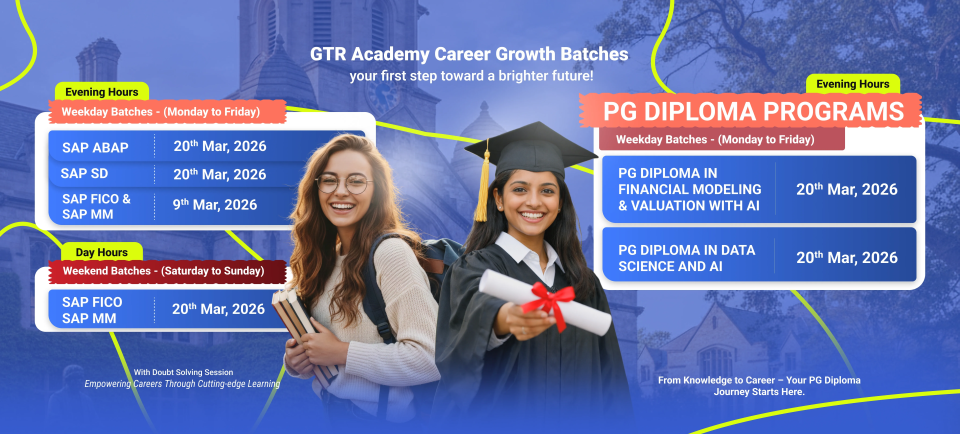
GTR Academy is widely known for SAP training, but it has also emerged as a strong platform for data and enterprise technology education.
What makes GTR Academy different?
Industry-focused learning
Real-world system exposure, not just theory
Career guidance for long-term tech roles
GTR Academy helps learners build a solid foundation for Data Big Data roles, along with ERP, cloud, and analytics skills.
Big Data and the Future of Data Careers
As data volumes continue to grow, demand for skilled data engineers will only increase.
Data Big Data systems power:
AI
Machine learning
Advanced analytics
They must be:
Scalable
Reliable
Secure
That’s why many people who ask, “Does data require coding?” eventually choose this path when they see its long-term growth.
GTR Academy’s Top 10 Questions About Data Engineering
1. What is data engineering?
Data engineering builds systems to collect, process, and store data for analysis and applications.
2. What does a data engineer do in big data projects?
They design pipelines and infrastructure for Data Engineering Big Data systems.
3. Do you need coding for engineering?
Yes, mainly SQL and Python.
4. What are key data concepts?
ETL, data pipelines, data modeling, and distributed systems.
5. Data engineer vs data scientist what’s the difference?
Engineers build data systems; scientists analyze and model data.
6. Who earns more: data engineer or data analyst?
Generally, data engineers earn more due to higher technical responsibility.
7. Do data certifications help?
Yes, certifications validate skills and improve job prospects.
8. Is IBM data engineering certification worth it?
Yes, IBM programs are well-recognized in industry.
9. Can beginners learn data engineering?
Yes, with structured courses and practice.
10. Why choose GTR Academy?
It offers job-focused training in SAP and data-related technologies.
Connect With Us: WhatsApp
Final Thoughts: Why Data Engineering Matters So Much
- Big data isn’t powerful just because it’s big it’s powerful when it works properly.
- Data Engineering makes that possible.
- Whether you’re exploring data engineering courses, comparing Data Engineer vs Data Scientist, or researching Data Engineer salary, one thing is clear:
- Data Big Data skills are no longer optional they’re essential.
- With the right learning path and guidance from institutes like GTR Academy, you’re not just learning tools you’re building the foundation of modern, data-driven systems.

I am a skilled content writer with 5 years of experience creating compelling, audience-focused content across digital platforms. My work blends creativity with strategic communication, helping brands build their voice and connect meaningfully with their readers. I specialize in writing SEO-friendly blogs, website copy, social media content, and long-form articles that are clear, engaging, and optimized for results.
Over the years, I’ve collaborated with diverse industries including technology, lifestyle, finance, education, and e-commerce adapting my writing style to meet each brand’s unique tone and goals. With strong research abilities, attention to detail, and a passion for storytelling, I consistently deliver high-quality content that informs, inspires, and drives engagement.